

What is the heat retention of army fleece material?
Hey there! I'm an army fleece material supplier, and I'm super excited to tell you all about the heat - retention aspects of army fleece material. As someone in the business, I've seen firsthand how important it is for customers to understand the qualities of the materials they're buying. So, let's dive right in!
Army fleece material is pretty amazing when it comes to keeping you warm. But how exactly does it work? Well, it all boils down to the fabric's structure. Army fleece is usually made from synthetic fibers, most commonly polyester. These fibers are engineered to trap air. You might be wondering why trapping air is such a big deal. Air is actually a great insulator. When the fibers in the fleece trap pockets of air, it creates a barrier that slows down the transfer of heat. So, if it's cold outside, the heat from your body has a harder time escaping through the fleece, and you stay warm.
One of the key features of army fleece is its high loft. Loft refers to the thickness and fluffiness of the fabric. A fleece with a high loft has more space between the fibers, which means it can trap more air. This increased air - trapping capacity directly translates to better heat retention. You can think of it like a big, fluffy cloud wrapped around you, holding in all that precious body heat.
Another factor that contributes to the heat - retention ability of army fleece is its moisture - wicking properties. When you're active, you sweat. If your clothing can't get rid of the moisture, you'll feel cold and clammy. Army fleece is designed to pull moisture away from your skin and push it to the outer surface of the fabric, where it can evaporate. This keeps your skin dry, and a dry body is a warm body. It's like having a built - in moisture management system that helps you stay comfortable in a variety of conditions.
Now, let's talk about some of the different types of army fleece materials. There's the Maple Leaf Pattern Polar Fleece. This type of fleece not only looks cool with its unique maple leaf pattern but also has excellent heat - retention properties. The polar fleece is known for its softness and warmth, and the pattern adds a touch of style. Whether you're using it for outdoor activities like hiking or just for a cozy day around the house, it's a great choice.
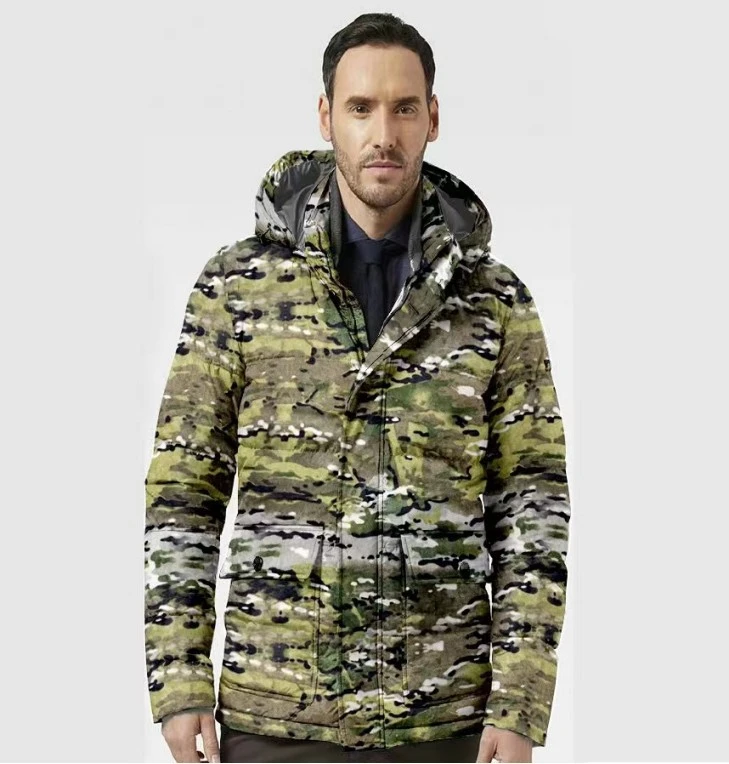
Then, there's the classic Army Fleece Material. This is the go - to for military applications and outdoor enthusiasts. It's tough, durable, and can keep you warm in some pretty harsh conditions. The fabric is designed to withstand a lot of wear and tear, so you can count on it to last.
If you're looking for something a bit different, check out the Black And White Cow Pattern Fabric. It's a fun and unique option that still offers the same great heat - retention benefits as other army fleece materials. You can use it for making all sorts of things, from blankets to jackets.
When it comes to comparing army fleece with other materials, it really stands out. Take cotton, for example. Cotton is a natural fiber, but it doesn't have the same heat - retention capabilities as army fleece. Cotton absorbs moisture and holds onto it, which can make you feel cold when the temperature drops. On the other hand, wool is a good insulator, but it can be itchy and heavy. Army fleece offers a great balance between warmth, comfort, and durability.
The thickness of the army fleece also plays a role in its heat - retention. Thicker fleeces generally provide more warmth, but they can also be bulkier. If you're going to be doing a lot of physical activity, you might want to choose a thinner fleece that allows for more freedom of movement. But if you're just sitting around in cold weather, a thicker fleece will keep you toasty.
Regarding care, looking after your army fleece is pretty easy. You can machine - wash it on a gentle cycle with cold water and mild detergent. Avoid using fabric softeners because they can coat the fibers and reduce the fleece's ability to wick moisture. And when it comes to drying, air - drying is the best option. Tumble - drying on a low heat setting is okay too, but high heat can damage the fibers.
As a supplier, I've had customers use army fleece for all sorts of projects. Some use it to make outdoor clothing for themselves or their families. Others use it in commercial applications, like making uniforms for security personnel or workers in cold environments. The versatility of army fleece is one of its greatest selling points.
If you're interested in learning more about army fleece material or have specific questions about heat retention, feel free to reach out. Whether you're a small - time crafter or a large - scale manufacturer, I'd love to talk to you about how our army fleece materials can meet your needs. If you're thinking about placing an order, don't hesitate to get in touch for a friendly chat about your procurement requirements.
References:

- Textbooks on fabric science and thermodynamics.
- Industry reports on synthetic fabric development.