

Is Oxford Cloth Fabric Water-resistant?
As a trusted supplier of Oxford cloth fabric, I've encountered numerous inquiries regarding the water-resistant properties of this versatile material. Oxford cloth is a popular choice in various industries, from fashion to outdoor equipment, and understanding its water resistance is crucial for both manufacturers and end-users. In this blog post, I'll delve into the science behind Oxford cloth's water resistance, explore different types of Oxford cloth, and provide insights on how to assess and enhance its water-repellent capabilities.

Understanding Oxford Cloth
Oxford cloth is a type of woven fabric known for its durability, softness, and distinctive basketweave pattern. It is typically made from cotton, polyester, or a blend of both fibers. The fabric's construction involves weaving two or more yarns together in a specific pattern, which gives it a unique texture and strength.
The water resistance of Oxford cloth depends on several factors, including the type of fibers used, the fabric's weave density, and any additional treatments applied. Let's take a closer look at these factors and how they influence the fabric's ability to repel water.
Factors Affecting Water Resistance
Fiber Type
- Cotton: Natural cotton fibers are hydrophilic, meaning they absorb water. While untreated cotton Oxford cloth is not inherently water-resistant, it can be treated with water-repellent finishes to enhance its performance. However, over time and with repeated washing, the water-repellent properties of cotton Oxford cloth may diminish.
- Polyester: Polyester is a synthetic fiber that is hydrophobic, or water-repellent. Polyester Oxford cloth is naturally more resistant to water than cotton, making it a popular choice for outdoor applications. Additionally, polyester fibers are less likely to absorb moisture, which helps to keep the fabric dry and comfortable.
- Blends: Blending cotton and polyester can combine the best of both worlds. A cotton-polyester blend Oxford cloth may offer the softness and breathability of cotton with the water resistance and durability of polyester.
Weave Density
The weave density of a fabric refers to the number of yarns per square inch. A higher weave density generally indicates a more tightly woven fabric, which can provide better water resistance. Fabrics with a higher weave density have fewer gaps between the yarns, making it more difficult for water to penetrate the fabric.
For example, 210t Polyester Oxford has a relatively high thread count, which gives it a good level of water resistance. The "210t" refers to the total number of threads per square inch, with the "t" standing for "thread." This high thread count makes the fabric more tightly woven and less likely to allow water to pass through.
Water-Repellent Treatments
Many Oxford cloth fabrics are treated with water-repellent finishes to enhance their water resistance. These treatments can include coatings, laminates, or chemical treatments that create a barrier on the fabric's surface, preventing water from soaking in.
One common type of water-repellent treatment is the application of a fluoropolymer coating. This coating creates a hydrophobic surface that causes water to bead up and roll off the fabric. Another option is the use of a polyurethane laminate, which adds a layer of waterproof material to the fabric.
It's important to note that the effectiveness of water-repellent treatments can vary depending on the quality of the treatment and the fabric's intended use. Over time, the water-repellent properties of a treated fabric may wear off, especially with repeated washing or exposure to harsh conditions.
Types of Water-Resistant Oxford Cloth
Oxford Camo Fabric
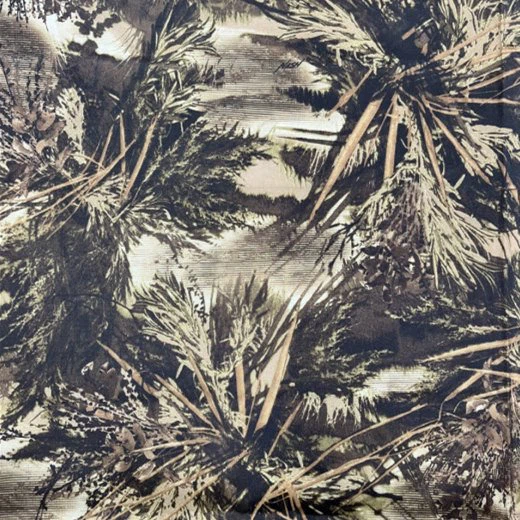
Oxford camo fabric is a popular choice for outdoor clothing, hunting gear, and military applications. It combines the water resistance of Oxford cloth with a camouflage pattern, making it ideal for concealment in natural environments. Many Oxford camo fabrics are treated with water-repellent finishes to enhance their performance in wet conditions.
Oxford Cloth Waterproof
As the name suggests, Oxford cloth waterproof is designed to provide excellent water resistance. This type of fabric is often used in the production of raincoats, tents, and other outdoor equipment. It may be treated with a waterproof coating or laminate to ensure that it remains dry even in heavy rain.
300D Oxford Fabric
The "300D" in 300D Oxford fabric refers to the denier of the yarn used in the fabric's construction. Denier is a unit of measurement that indicates the thickness of the yarn. A higher denier generally means a thicker and more durable yarn. 300D Oxford fabric is known for its strength and water resistance, making it suitable for a variety of applications, including backpacks, luggage, and outdoor furniture covers.
Oxford Camouflage Fabric
Similar to Oxford camo fabric, Oxford camouflage fabric offers the benefits of water resistance and a camouflage pattern. It is commonly used in military and outdoor applications where concealment and protection from the elements are important.
Assessing Water Resistance
When evaluating the water resistance of Oxford cloth, there are several methods you can use:
Water Drop Test
One simple way to test the water resistance of a fabric is to place a few drops of water on the surface and observe how they behave. If the water beads up and rolls off the fabric, it indicates that the fabric has good water-repellent properties. If the water soaks into the fabric, it may not be very water-resistant.
Sprinkle Test
Another method is to sprinkle water on the fabric from a height of a few inches. Watch how the water spreads on the fabric's surface. If the water forms small droplets and does not penetrate the fabric, it is likely to be water-resistant.
Hydrostatic Head Test
For more accurate results, you can conduct a hydrostatic head test. This test measures the amount of water pressure the fabric can withstand before water begins to penetrate. A higher hydrostatic head value indicates better water resistance.
Enhancing Water Resistance
If you need to enhance the water resistance of your Oxford cloth, there are a few steps you can take:
Reapply Water-Repellent Treatment
Over time, the water-repellent properties of a treated fabric may wear off. You can reapply a water-repellent treatment to restore the fabric's performance. There are many commercially available water-repellent sprays and coatings that you can use.
Use a Waterproof Liner
If you need maximum water protection, consider using a waterproof liner in combination with your Oxford cloth. A waterproof liner can be added to the inside of a garment or piece of equipment to provide an additional barrier against water.
Proper Care and Maintenance
Proper care and maintenance can also help to preserve the water resistance of your Oxford cloth. Follow the manufacturer's instructions for washing and drying the fabric, and avoid using harsh detergents or fabric softeners, as these can damage the water-repellent treatment.
Conclusion
In conclusion, Oxford cloth can be water-resistant, but the degree of water resistance depends on several factors, including the type of fibers used, the fabric's weave density, and any additional treatments applied. Polyester Oxford cloth is generally more water-resistant than cotton, and fabrics with a higher weave density and water-repellent treatments offer better protection against water.
As a supplier of Oxford cloth fabric, I offer a wide range of water-resistant options to meet the needs of different industries and applications. Whether you're looking for 210t Polyester Oxford, Oxford Camo Fabric, or Oxford Cloth Waterproof, I can provide you with high-quality fabrics that meet your specifications.
If you're interested in learning more about our Oxford cloth fabric or would like to discuss your specific requirements, please don't hesitate to get in touch. We're here to help you find the perfect fabric solution for your project.
References
- Textile Institute. (2018). Handbook of Technical Textiles. Woodhead Publishing.
- Horrocks, A. R., & Anand, S. C. (Eds.). (2000). Handbook of Technical Textiles. Woodhead Publishing.
- Tortora, P. G., & Merkel, K. A. (2008). Fairchild's Dictionary of Textiles. Fairchild Books.