

When it comes to the world of textiles, cotton is one of the most widely used materials due to its comfort, breathability, and versatility. However, not all cotton fabrics are created equal. As a supplier of Hunting Cotton Fabric, I often get asked about the differences between hunting cotton fabric and regular cotton fabric. In this blog post, I'll delve into these differences to help you understand why hunting cotton fabric is specifically designed for certain applications.
Composition and Structure
Regular cotton fabric is typically made from natural cotton fibers. These fibers are obtained from the cotton plant and are then spun into yarns, which are woven or knitted to create various types of fabrics. The quality and feel of regular cotton fabric can vary depending on factors such as the type of cotton used (e.g., Egyptian cotton, Pima cotton), the spinning process, and the weaving or knitting technique.

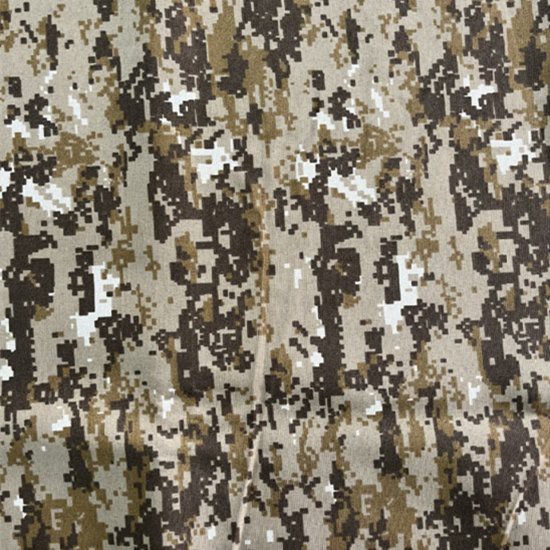
On the other hand, hunting cotton fabric has a more specialized composition and structure. In addition to the basic cotton fibers, it may incorporate other materials or treatments to enhance its performance. For example, some hunting cotton fabrics are blended with synthetic fibers like polyester or nylon. These blends offer several advantages. Polyester can add durability and wrinkle - resistance, while nylon can increase strength and abrasion resistance. This makes the fabric more suitable for the rough and tumble of hunting activities, where it may be exposed to branches, bushes, and other elements that could easily damage regular cotton.
Color and Camouflage
One of the most obvious differences between hunting cotton fabric and regular cotton fabric is the color and the use of camouflage patterns. Regular cotton fabric comes in a wide range of colors and patterns, which are often chosen for aesthetic or decorative purposes. These can include solid colors, floral prints, geometric patterns, and more.
Hunting cotton fabric, however, is primarily designed with camouflage in mind. The goal is to help hunters blend into their natural surroundings, making them less visible to the wildlife they are targeting. Cotton Camo patterns are carefully designed to mimic the natural environment, such as forests, grasslands, or marshlands. These patterns typically feature a combination of earthy tones like brown, green, and tan, as well as various shapes and textures that break up the human silhouette.
Another important color in hunting cotton fabric is blaze orange. Blaze Orange Cotton Fabric is used to make clothing items that are highly visible to other hunters, enhancing safety in the field. This bright color stands out against the natural backdrop and helps prevent accidental shootings. While regular cotton fabric may also come in orange, it is not used with the same safety - conscious purpose as blaze orange in hunting applications.
Durability and Performance
Durability is a key factor when comparing hunting cotton fabric with regular cotton fabric. Regular cotton fabric is generally soft and comfortable, but it may not be as strong or resistant to wear and tear. For example, a regular cotton shirt may start to show signs of pilling, fraying, or tearing after a few washes or light use.
Hunting cotton fabric, on the other hand, is engineered to withstand the rigors of hunting. The previously mentioned synthetic blends contribute to its durability. Additionally, hunting cotton fabrics may undergo special treatments such as pre - shrinking, which helps prevent the fabric from shrinking or stretching during washing and drying. This ensures that the clothing made from this fabric retains its shape and fit over time.
Moisture management is another aspect of performance where hunting cotton fabric excels. When hunting, a person can easily get sweaty due to physical exertion. Regular cotton has a tendency to absorb moisture, which can make it feel heavy and uncomfortable when wet. Hunting cotton fabrics, often treated with moisture - wicking properties, are designed to pull sweat away from the body and allow it to evaporate quickly. This helps keep the hunter dry and comfortable, reducing the risk of hypothermia in cold weather conditions.
Cost
Cost is an important consideration for many consumers. Generally, regular cotton fabric is more affordable than hunting cotton fabric. The specialized features of hunting cotton fabric, such as the synthetic blends, camouflage printing, and performance treatments, all add to its production cost. However, for hunters and outdoor enthusiasts, the investment in hunting cotton fabric is often worth it due to its superior performance and functionality.
Applications
Regular cotton fabric has a wide range of applications. It is commonly used in the production of everyday clothing items such as t - shirts, dresses, and underwear. It is also used in home textiles like bedding, curtains, and upholstery.
Hunting cotton fabric, as the name suggests, is mainly used in the manufacturing of hunting clothing and gear. This includes jackets, pants, vests, and hats. The fabric's properties make it suitable for withstanding the outdoor environment, camouflaging the hunter, and providing comfort during long hours in the field. Additionally, it can be used for making hunting blinds and other equipment that needs to blend in with the surroundings.
Care and Maintenance
Caring for regular cotton fabric is relatively straightforward. It can usually be machine - washed and dried. However, it is important to follow the care instructions on the garment label to avoid shrinkage or damage.
Hunting cotton fabric may require more specific care. Due to the synthetic blends and treatments, some hunting cotton fabrics may need to be washed in cold water to preserve their performance properties. They may also require special detergents that are gentle on the fabric and do not strip away the moisture - wicking or other treatments. Additionally, some hunting cotton fabrics may not be suitable for high - heat drying, as this can damage the fabric or the printing on the camouflage pattern.
In conclusion, the differences between hunting cotton fabric and regular cotton fabric are significant. From composition and color to durability and application, each type of fabric is designed for different purposes. If you are a hunter or someone who spends a lot of time in outdoor activities, hunting cotton fabric is an excellent choice due to its specialized features.
If you're interested in purchasing high - quality Hunting Cotton Fabric, I invite you to reach out for a procurement discussion. We can talk about your specific needs, including the quantity, pattern, and performance requirements. Let's work together to find the perfect hunting cotton fabric for your projects.
References
- Consumer Reports Textiles Guide
- Outdoor Gear Magazine's Reviews on Hunting Apparel
- Fabric Manufacturer's Technical Specifications for Hunting and Regular Cotton Fabrics