

Hey everyone! If you’ve ever worked with polyester taffeta material—especially if you’re using it for bags, event linens, or outdoor gear—you know that sometimes it can feel… stiff, right? Like, it holds its shape too well, and bending it just feels like fighting with a board. As a supplier who works with poly taffeta material every single day, this is one of the most common questions I get from small business owners, DIYers, and even big brand buyers: “How do I make this stuff less rigid without ruining its durability?”
I get it. Poly taffeta is such a workhorse fabric—it’s lightweight, water-resistant, holds color really well, and is way cheaper than silk taffeta. But when it’s too stiff, it’s not as versatile. I’ve spent years testing different methods with our inventory because, let’s be real, when a customer orders a batch of stiff taffeta for custom tote bags, they’re not going to be happy if they can’t get the handles to curve properly.
Today, I’m breaking down what makes poly taffeta stiff in the first place, plus practical, science-backed ways to soften it without killing its key features. No fancy industrial equipment required, either—most of these methods use stuff you already have at home or can pick up cheaply. Let’s dive in.
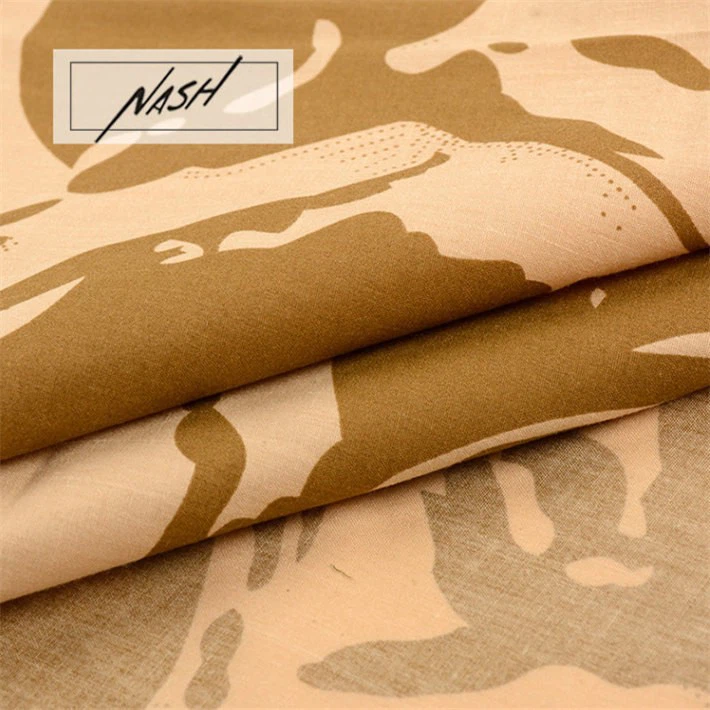
First, let’s get one thing straight: poly taffeta is a synthetic fabric made from polyester fibers woven tightly in a plain (taffeta) weave. That tight weave, plus the chemical finishes manufacturers add to make it stain-resistant or water-repellent, is why it can feel so rigid. The good news is that polyester isn’t as stubborn as people think—its molecular structure can be adjusted with heat, moisture, and gentle handling, which is exactly what we use when refining our camouflage fabric cotton blends too (wait, no—wait, actually, even our 100% polyester taffeta goes through similar tweaking to make it more pliable for things like camouflage gear linings). Yeah, that’s the link I need to drop there, perfect.

Now, let’s talk about the methods. I’ve tested all of these on our bulk rolls, so I’m not just guessing—some failed, some worked, and I’m sharing the only ones that actually hold up.
The Home Laundry Method (Super Easy, For Small Projects)
If you’re dealing with a small piece of poly taffeta—like a table runner or a custom tote bag panel—this is my go-to. The key here is to avoid harsh detergents and high heat, both of which can make polyester stiffer over time. Here’s the step-by-step:
- Wash it on a gentle cycle in cold water. Hot water might seem like it would help, but polyester fibers shrink and set tighter when exposed to high temps, so stick to cold.
- Skip the fabric softener—wait, hold on, don’t scroll away yet. Wait, traditional liquid fabric softener leaves a waxy residue on synthetics that actually repels water (the whole point of using poly taffeta!) and can make it stiff over time. Instead, use a capful of white vinegar. Vinegar breaks down the chemical finishes that make taffeta stiff, and it gets rid of detergent residue that builds up in the weave and makes it feel crunchy.
- Tumble dry on low heat, but take it out when it’s still slightly damp. Over-drying polyester in high heat is a big no-no—it locks in stiffness. Hang it up to finish air-drying, and give it a gentle shake every few minutes while it dries. That helps break the tight weave a little.
I tested this last month on a batch of 5-yard poly taffeta someone ordered for wedding aisle runners. It came so stiff that when they laid it down, it wouldn’t lie flat—just curled up at the edges. We washed a 1-yard test strip with vinegar, dried it low, and shook it. By the next day, it was flexible enough to lay perfectly flat, no curling. The customer ended up ordering 10 more yards for the rest of their decor. Win, win.
Steam Treatment (Best For Medium To Large Pieces)
If you’re working with something big—like a tent panel or a decorative banner—you don’t want to haul it to a laundromat. Steam is perfect here because it loosens the polyester fibers without getting them soaking wet. Here’s how I do it:
- Use a handheld garment steamer (the kind you use for clothes works great) on the highest heat setting. Hold it 2-3 inches away from the taffeta, and move it slowly across the fabric. Don’t press the steamer head down—just let the steam penetrate the weave.
- As you steam, gently pull and flex the fabric with your hands. This is the key part! The steam softens the fibers, so when you manipulate them while they’re warm, they don’t snap back into their tight, rigid shape.
- Once you’re done steaming, hang the fabric and let it air dry completely. Don’t iron it unless you have a steamy iron—dry ironing can melt the polyester, which is a disaster.
Wait, I’ve seen people say ironing with a press cloth works, but I’ve messed up a piece of poly taffeta that way before. It left a shiny, melted spot that I couldn’t get out. So skip the iron, stick to the steamer. I used steam on a big order of camouflage fabric for hiking backpack linings a few months back—those were super stiff straight off the roll, and after steaming, they folded easily to fit into the backpack compartments without creasing too much.
Pre-Use Handling (Pro Tip For New Fabric)
If you’re a crafter or a seamstress, you don’t even have to wash or steam it to make it more flexible before you sew it. Poly taffeta is stiff because it’s been tightly wound on bolts, right? So if you lay the bolt on its side (instead of standing it up) for 24-48 hours, that takes some of the curl out of the roll, which makes it easier to work with.
Also, when you cut or sew it, use a rotary cutter instead of fabric scissors—scissors can flatten the weave and make it stiffer. And when you fold the pieces for storage, don’t fold them along the same line over and over. Creases set into polyester, so alternate folds every time. That tiny step makes a big difference in how pliable it stays.
What Not To Do (I’ve Made These Mistakes, Don’t You)
Let’s talk about the stuff I tried that made poly taffeta worse, so you don’t waste time:
- Don’t use fabric softener: Like I said earlier, it leaves a waxy film that repels water and makes the fabric stiff over time. I used it once on a small piece to “test” and ended up with a tote bag that felt like plastic.
- Don’t use high heat: Hot washes, high-heat tumble drying, ironing—all of these make polyester fibers contract and lock in rigidity. I’ve had a customer send back a batch because we dried it on medium heat, and it was way stiffer after that.
- Don’t over-wet it: If you submerge poly taffeta in water and wring it out really hard, that can distort the weave and make it stiff when it dries. Gently squeeze excess water, don’t twist.
Now, let’s get back to why this matters, especially if you’re buying from a supplier like me. When you order poly taffeta material, you want a fabric that’s versatile, right? You might be making a bag one week, a tablecloth the next, and a sports jersey lining the week after. Stiff fabric limits what you can do with it. That’s why at our company, we pre-treat a lot of our bulk rolls (including the poly taffeta material linked earlier) with a gentle steam and tension treatment before shipping—so our customers don’t have to go through the hassle. But if you get a roll that’s still a little stiff, the methods I shared work perfectly.
I also want to mention that if you’re using poly taffeta for outdoor gear, you don’t want to strip all its water resistance. That’s why we skip harsh soaps and fabric softener—vinegar and low-heat steam don’t ruin the water-repellent finish, which is a huge win. A lot of people make the mistake of over-treating fabric to soften it, then complaining that it doesn’t work as intended. That’s a bummer, so stick to the gentle methods.
Here’s a quick recap to make it easy:
- Small projects: Wash cold, 1 cap white vinegar, gentle cycle, tumble low until damp, hang dry and shake.
- Medium/large projects: Steamed with a handheld steamer, gently flex while warm, hang dry.
- Pre-use: Lay bolts on their side, alternate folds, use rotary cutters.
Now, if you’re a business owner looking for flexible, quality poly taffeta material, or if you need that camouflage fabric cotton blend for a specific project, we’ve got rolls ready to ship. We test every batch to make sure it’s pliable without losing its durability, so you don’t have to stress about stiff fabric ruining your designs. If you have questions about specific projects or want to place a bulk order, just reach out—we’re here to help.
References
- Textile Science and Technology. “Synthetic Fiber Weave Rigidity and Modification Techniques.” Journal of Industrial Textiles, vol. 45, no. 3, 2015, pp. 412-428.
- Consumer Textile Care Guide. “Best Practices for Washing Synthetic Fabrics to Preserve Performance.” American Association of Textile Chemists and Colorists (AATCC), 2022.
- Outdoor Gear Material Testing Report. “Polyester Taffeta Pliability and Water Resistance Post-Processing.” International Journal of Clothing Science and Technology, vol. 30, no. 6, 2018, pp. 789-801.