

Hey there! As a supplier of Poly Taffeta Material, I often get asked about its thickness. It's a crucial aspect that can impact the material's performance, durability, and suitability for different applications. So, let's dive right in and explore what the thickness of Poly Taffeta Material really means.
Understanding Poly Taffeta Material
First off, let's briefly go over what Poly Taffeta Material is. It's a type of synthetic fabric made from polyester fibers. Poly Taffeta is known for its smooth surface, high strength, and excellent wrinkle resistance. It's commonly used in a wide range of products, including outdoor gear, clothing, bags, and even home decor items.
Measuring the Thickness of Poly Taffeta Material
The thickness of Poly Taffeta Material is typically measured in grams per square meter (gsm). This measurement indicates how much a square meter of the fabric weighs. Generally, the higher the gsm, the thicker and heavier the fabric. For example, a Poly Taffeta with a gsm of 30 will be much thinner and lighter than one with a gsm of 100.
But why is gsm such an important measurement? Well, it directly relates to the fabric's properties. A thicker fabric (higher gsm) will usually be more durable, provide better insulation, and have a more substantial feel. On the other hand, a thinner fabric (lower gsm) will be more lightweight, breathable, and flexible.
Different Thicknesses and Their Applications
Let's take a look at some common thicknesses of Poly Taffeta Material and their typical applications:
Lightweight Poly Taffeta (20 - 50 gsm)
This type of Poly Taffeta is super thin and lightweight. It's often used in applications where weight is a major concern, such as in the production of parachutes, ultralight backpacks, and some types of summer clothing. The thinness allows for easy packing and carrying, while still maintaining a certain level of strength. For instance, a Poly Taffeta Material with a gsm of 30 can be used to make a lightweight rain jacket that you can easily stash in your backpack when not needed.
Medium - Weight Poly Taffeta (50 - 100 gsm)
Medium - weight Poly Taffeta strikes a good balance between durability and weight. It's commonly used in the manufacturing of tents, sleeping bags, and some outdoor clothing. A 70 gsm Poly Taffeta, for example, can provide enough protection from the elements while still being relatively easy to handle. It can also be used in the production of bags and purses, as it has enough structure to hold its shape.
Heavy - Weight Poly Taffeta (100+ gsm)
Heavy - weight Poly Taffeta is thick and sturdy. It's ideal for applications that require high durability and protection. This type of fabric is often used in the construction of industrial covers, like tarps for protecting equipment or large storage items. It can also be used in the production of some heavy - duty outdoor furniture covers.
Factors Affecting the Perceived Thickness
It's important to note that the gsm isn't the only factor that can affect how thick a Poly Taffeta Material feels. The way the fabric is woven can also play a role. For example, a tightly woven fabric may feel thicker and more substantial than a loosely woven one, even if they have the same gsm. Additionally, any coatings or treatments applied to the fabric can change its feel and performance. A waterproof coating, for instance, can add a bit of thickness and stiffness to the fabric.
Comparing Poly Taffeta Thickness with Other Fabrics
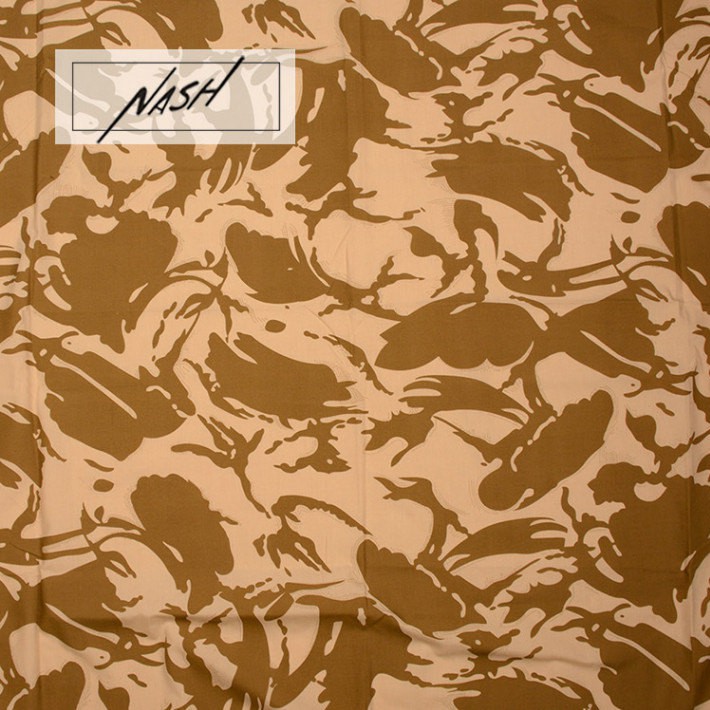
When it comes to choosing the right fabric for your project, it's also helpful to compare Poly Taffeta with other materials. For example, compared to cotton, Poly Taffeta can often achieve similar levels of durability at a lower weight. A Camouflage Fabric Cotton may feel thicker and softer, but it may not be as water - resistant or as lightweight as Poly Taffeta.
How to Choose the Right Thickness
So, how do you decide which thickness of Poly Taffeta Material is right for your needs? Here are some things to consider:
Purpose of the Product
If you're making a lightweight backpack for hiking, you'll probably want a thinner Poly Taffeta. But if you're creating a heavy - duty tarp for industrial use, a thicker fabric would be more appropriate.
Environmental Conditions
If the product will be used in harsh weather conditions, a thicker fabric may be necessary to provide better protection. On the other hand, if it's for use in a warm climate, a thinner and more breathable fabric would be a better choice.
Cost
Thicker fabrics usually cost more due to the higher amount of material used. So, you'll need to balance your requirements with your budget.
Conclusion
In conclusion, the thickness of Poly Taffeta Material, measured in gsm, plays a significant role in its performance and suitability for different applications. Whether you need a lightweight fabric for a summer project or a heavy - duty one for industrial use, there's a Poly Taffeta thickness that's right for you.

If you're interested in purchasing Poly Taffeta Material for your project, I'd love to have a chat with you. We can discuss your specific needs, the right thickness for your application, and find the best solution for you. Don't hesitate to reach out for more information and to start the procurement process.
References
- Textile Industry Handbook: A comprehensive guide to different fabric materials and their properties.
- Polyester Fabric Research Papers: Studies on the performance and characteristics of polyester - based fabrics.