

As a trusted supplier of Oxford Camo Fabric, I've had numerous inquiries about the tear strength of this remarkable material. Tear strength is a critical property that determines the fabric's durability and performance in various applications. In this blog post, I'll delve into the concept of tear strength, explore how it's measured, and discuss the factors that influence the tear strength of Oxford Camo Fabric.
Understanding Tear Strength
Tear strength refers to the ability of a fabric to resist tearing when a force is applied at the edge or through a slit in the material. Unlike tensile strength, which measures the maximum force a fabric can withstand when pulled lengthwise or widthwise, tear strength focuses on the fabric's resistance to tearing propagation. This property is particularly important in applications where the fabric may be subjected to sharp objects, abrasion, or sudden impacts.
Measuring Tear Strength
There are several methods for measuring the tear strength of fabrics, each with its own advantages and limitations. The most commonly used methods include the Elmendorf tear test, the tongue tear test, and the trapezoid tear test.

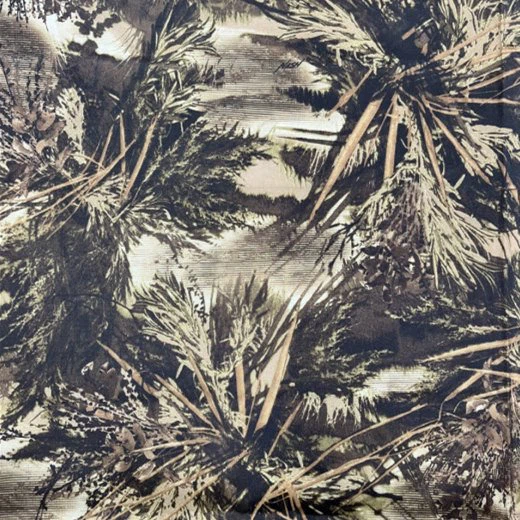
- Elmendorf Tear Test: This test involves cutting a small slit in the fabric and then using a pendulum to apply a sudden force to the slit. The energy required to tear the fabric is measured, and the tear strength is reported in grams or Newtons. The Elmendorf tear test is widely used because it is relatively simple, fast, and provides consistent results.
- Tongue Tear Test: In this test, a rectangular specimen of fabric is cut with a slit in the center. The two ends of the fabric are then pulled apart in opposite directions, and the force required to tear the fabric is measured. The tongue tear test is useful for measuring the tear strength of fabrics with a high degree of stretch or elasticity.
- Trapezoid Tear Test: The trapezoid tear test involves cutting a trapezoidal specimen of fabric and then pulling the two parallel sides of the trapezoid apart. The force required to tear the fabric is measured, and the tear strength is reported in grams or Newtons. The trapezoid tear test is often used for measuring the tear strength of heavy-duty fabrics, such as canvas and denim.
Factors Affecting the Tear Strength of Oxford Camo Fabric
The tear strength of Oxford Camo Fabric is influenced by several factors, including the fabric's construction, fiber type, yarn count, and finish.
- Fabric Construction: The construction of the fabric, such as the weave pattern and the density of the yarns, can have a significant impact on its tear strength. For example, a tightly woven fabric with a high yarn density will generally have a higher tear strength than a loosely woven fabric with a low yarn density.
- Fiber Type: The type of fiber used in the fabric also plays a crucial role in determining its tear strength. Synthetic fibers, such as polyester and nylon, are known for their high strength and durability, making them ideal for applications where tear resistance is important. Natural fibers, such as cotton and linen, are generally less strong and more prone to tearing, but they offer other benefits, such as breathability and comfort.
- Yarn Count: The yarn count refers to the number of yarns per unit length in the fabric. A higher yarn count generally indicates a finer and stronger yarn, which can result in a higher tear strength. However, a very high yarn count can also make the fabric more brittle and less flexible.
- Finish: The finish applied to the fabric can also affect its tear strength. For example, a fabric that has been treated with a waterproof or flame-retardant finish may have a lower tear strength than an untreated fabric. However, these finishes can provide other important benefits, such as protection against the elements or fire.
Importance of Tear Strength in Oxford Camo Fabric Applications
Oxford Camo Fabric is a versatile material that is used in a wide range of applications, including military uniforms, outdoor gear, and fashion apparel. In each of these applications, tear strength is an important consideration.
- Military Uniforms: Military personnel often operate in harsh environments where their uniforms may be subjected to rough handling, abrasion, and sharp objects. A high tear strength is essential to ensure that the uniforms can withstand these conditions and provide reliable protection.
- Outdoor Gear: Outdoor enthusiasts rely on high-quality gear to keep them safe and comfortable in the great outdoors. Whether it's a tent, a backpack, or a pair of pants, tear strength is a critical factor in determining the durability and performance of outdoor gear.
- Fashion Apparel: In the fashion industry, tear strength is not always the primary concern, but it can still play an important role in the quality and longevity of the garment. A fabric with a high tear strength is less likely to tear or rip during normal wear and washing, which can help to extend the life of the garment.
Ensuring High Tear Strength in Oxford Camo Fabric
As a supplier of Oxford Camo Fabric, I understand the importance of providing our customers with a high-quality product that meets their specific needs. To ensure the high tear strength of our Oxford Camo Fabric, we take several steps, including:
- Selecting High-Quality Fibers: We carefully select the fibers used in our fabrics to ensure that they have the necessary strength and durability. We use a combination of synthetic and natural fibers to achieve the best balance of performance and comfort.
- Controlling the Fabric Construction: We pay close attention to the fabric construction, including the weave pattern and the yarn density, to ensure that the fabric has the desired tear strength. We use advanced weaving techniques to create a tight and uniform fabric structure.
- Applying Appropriate Finishes: We apply finishes to our fabrics to enhance their performance and durability. However, we are careful to choose finishes that do not compromise the tear strength of the fabric. We work closely with our finish suppliers to develop custom finishes that meet our customers' specific requirements.
- Conducting Rigorous Testing: We conduct rigorous testing on our fabrics to ensure that they meet our high standards for tear strength and other performance properties. We use state-of-the-art testing equipment and follow industry-standard testing procedures to ensure accurate and reliable results.
Conclusion
In conclusion, tear strength is a critical property that determines the durability and performance of Oxford Camo Fabric. By understanding the concept of tear strength, the methods for measuring it, and the factors that influence it, you can make informed decisions when selecting Oxford Camo Fabric for your specific application. As a supplier of high-quality Oxford Camo Fabric, I am committed to providing our customers with a product that meets their needs and exceeds their expectations. If you have any questions or would like to discuss your specific requirements, please don't hesitate to contact us. We look forward to working with you to find the perfect solution for your project.
References
- ASTM D1424 - Standard Test Method for Tearing Strength of Fabrics by the Elmendorf Tear Method
- ASTM D2261 - Standard Test Method for Tearing Strength of Woven Fabrics by the Tongue (Single Rip) Procedure
- ASTM D5587 - Standard Test Method for Trapezoid Tearing Strength of Fabrics