

Hey there! I'm a supplier of 210t Polyester Oxford, and I've been in this game for quite a while. One of the most common questions I get from customers is how to improve the waterproofness of 210t Polyester Oxford. Well, I'm here to share some tips and tricks that I've learned over the years.
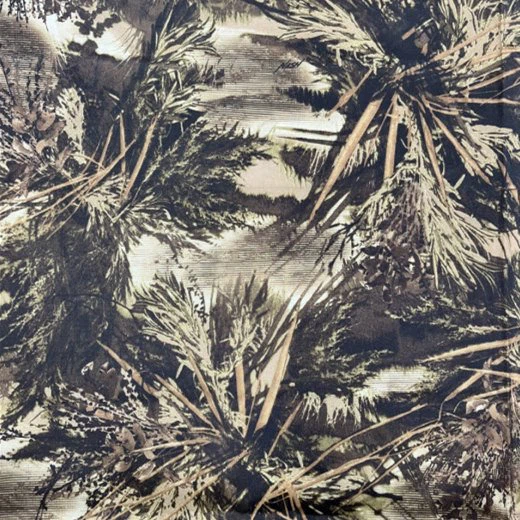

First off, let's talk about what 210t Polyester Oxford is. It's a popular fabric known for its durability and versatility. The "210t" refers to the thread count, which means there are 210 threads per square inch. This high thread count gives the fabric a tight weave, making it strong and resistant to wear and tear. However, by default, it might not have the best waterproof properties.
Understanding the Basics of Waterproofing
Before we dive into the methods of improving waterproofness, it's important to understand how waterproofing works. Waterproofing is all about creating a barrier that prevents water from penetrating the fabric. There are two main types of waterproofing: coating and laminating.
Coating involves applying a layer of waterproof material to the surface of the fabric. This can be done using various substances such as polyurethane (PU), silicone, or wax. The coating fills the gaps between the threads, creating a waterproof seal. Laminating, on the other hand, involves bonding a waterproof membrane to the fabric. This membrane acts as a barrier, preventing water from getting through.
Methods to Improve Waterproofness
1. Coating with Polyurethane (PU)
PU coating is one of the most common ways to waterproof 210t Polyester Oxford. It's relatively easy to apply and provides a good level of waterproofing. To apply a PU coating, you'll need a PU coating solution, a brush, and a well - ventilated area.
First, clean the fabric to remove any dirt or debris. Then, using the brush, apply a thin and even layer of the PU coating solution to the fabric. Make sure to cover the entire surface. Let the coating dry completely, which usually takes a few hours. You can apply multiple layers for better waterproofing, but make sure to let each layer dry before applying the next one.
PU coating has some great advantages. It's flexible, which means the fabric can still be bent and folded without cracking the coating. It also provides good abrasion resistance, so the fabric can withstand a fair amount of wear and tear. However, it might not be as breathable as some other options, which could be a drawback in certain applications.
2. Silicone Coating
Silicone coating is another option for waterproofing 210t Polyester Oxford. Silicone is a great choice because it's water - repellent, flexible, and has good UV resistance. To apply a silicone coating, you can use a spray - on silicone solution.
Just like with the PU coating, start by cleaning the fabric. Then, hold the spray can about 6 - 8 inches away from the fabric and spray evenly. Make sure to cover all areas of the fabric. Let the silicone dry for a few hours. Silicone coatings are known for their excellent water - repellency, and they also make the fabric feel soft and smooth.
One thing to keep in mind is that silicone coatings might require re - application over time, especially if the fabric is exposed to a lot of wear and tear. But overall, it's a great option for improving the waterproofness of 210t Polyester Oxford.
3. Laminating with a Waterproof Membrane
Laminating the 210t Polyester Oxford with a waterproof membrane is a more advanced method of waterproofing. A waterproof membrane is a thin layer of material that is bonded to the fabric. This can be done using heat and pressure.
There are different types of waterproof membranes available, such as Gore - Tex or eVent. These membranes are highly breathable, which means they allow sweat and moisture to escape from the fabric while still keeping water out. However, laminating can be a more expensive and complex process compared to coating.
If you're interested in learning more about waterproof Oxford cloth, you can check out Oxford Cloth Waterproof. It has some great information on different waterproofing techniques and products.
Factors Affecting Waterproofness
Apart from the waterproofing methods, there are other factors that can affect the waterproofness of 210t Polyester Oxford.
1. Seam Sealing
Even if the fabric itself is waterproof, water can still seep through the seams. That's why it's important to seal the seams. You can use seam - sealing tape or a seam - sealing glue to seal the seams. This ensures that water can't get in through the stitching.
2. Quality of the Fabric
The quality of the 210t Polyester Oxford also plays a role in its waterproofness. A higher - quality fabric with a tighter weave will generally be more waterproof. So, when choosing the fabric, make sure to look for one that has a good thread count and is made from high - quality polyester.
3. Maintenance
Proper maintenance is crucial for maintaining the waterproofness of the fabric. Avoid using harsh detergents or bleach when washing the fabric, as these can damage the waterproof coating. Instead, use a mild detergent and wash the fabric on a gentle cycle. After washing, let the fabric air dry completely.
Applications of Waterproof 210t Polyester Oxford
Waterproof 210t Polyester Oxford has a wide range of applications. It's commonly used in outdoor products such as tents, backpacks, and raincoats. The waterproof properties make it ideal for protecting against the elements.
If you're interested in different types of Oxford fabrics, you can check out Oxford Camouflage Fabric and 300D Oxford Fabric. These links provide more information on other types of Oxford fabrics and their uses.
Conclusion
Improving the waterproofness of 210t Polyester Oxford is not as difficult as it might seem. By using the right waterproofing methods, paying attention to seam sealing, and maintaining the fabric properly, you can ensure that your 210t Polyester Oxford has excellent waterproof properties.
If you're in the market for 210t Polyester Oxford or have any questions about waterproofing, feel free to reach out. I'd be more than happy to discuss your needs and help you find the best solution for your project. Whether you're a manufacturer looking for high - quality fabric or an individual interested in a DIY project, I've got you covered.
References
- Textile Waterproofing Handbook: A Guide to Waterproofing Fabrics.
- Polyester Fabric Technology and Applications.