

As a supplier of 300D Oxford Fabric, I often encounter various inquiries from customers regarding the properties and care of this versatile material. One question that comes up frequently is, "What is the appropriate ironing temperature for 300D Oxford Fabric?" In this blog post, I'll delve into the science behind this question, providing you with a comprehensive answer to ensure you can handle your 300D Oxford Fabric products with confidence.
Understanding 300D Oxford Fabric
Before we discuss the ironing temperature, it's essential to understand what 300D Oxford Fabric is. The "300D" refers to the denier, a unit of measurement for the linear mass density of fibers. In simple terms, a 300D fabric means that 9000 meters of the fiber weighs 300 grams. This indicates a moderately lightweight yet durable fabric.
300D Oxford Fabric is known for its strength, abrasion resistance, and versatility. It's commonly used in a wide range of applications, including backpacks, tents, outdoor clothing, and upholstery. Its tight weave and sturdy construction make it suitable for both indoor and outdoor use.
The Composition of 300D Oxford Fabric
Most 300D Oxford Fabrics are made from polyester or a blend of polyester and cotton. Polyester is a synthetic fiber known for its high strength, quick-drying properties, and resistance to wrinkles and shrinking. Cotton, on the other hand, is a natural fiber that offers breathability and comfort. The combination of these two fibers in 300D Oxford Fabric provides a balance of durability and comfort.
Factors Affecting the Ironing Temperature
Several factors influence the appropriate ironing temperature for 300D Oxford Fabric. These include:
- Fiber Composition: As mentioned earlier, the fiber composition of the fabric plays a significant role in determining the ironing temperature. Polyester fibers have a higher melting point than cotton fibers, so fabrics with a higher polyester content can generally withstand higher ironing temperatures.
- Fabric Finish: Some 300D Oxford Fabrics may have a special finish, such as a waterproof or fire-resistant coating. These finishes can affect the fabric's heat sensitivity and may require a lower ironing temperature to prevent damage.
- Thickness and Density: Thicker and denser fabrics may require a higher ironing temperature to achieve the desired results. However, it's important to be cautious when ironing thick fabrics, as excessive heat can cause the fabric to scorch or melt.
Recommended Ironing Temperatures
Based on the factors mentioned above, here are some general guidelines for ironing 300D Oxford Fabric:
- Polyester-Only Fabric: If your 300D Oxford Fabric is made entirely of polyester, you can typically use a medium to high ironing temperature. Set your iron to a temperature between 150°C and 180°C (302°F and 356°F). However, it's always a good idea to test a small, inconspicuous area of the fabric first to ensure that the temperature is appropriate.
- Polyester-Cotton Blend Fabric: For fabrics with a blend of polyester and cotton, a medium ironing temperature is usually recommended. Set your iron to a temperature between 120°C and 150°C (248°F and 302°F). Again, test a small area of the fabric before ironing the entire piece.
- Fabric with a Special Finish: If your 300D Oxford Fabric has a special finish, such as a waterproof or fire-resistant coating, it's best to use a low ironing temperature. Set your iron to a temperature between 80°C and 120°C (176°F and 248°F). Avoid using steam, as it can damage the finish.
Tips for Ironing 300D Oxford Fabric
To ensure that you achieve the best results when ironing 300D Oxford Fabric, here are some tips to keep in mind:
- Use a Press Cloth: A press cloth is a thin piece of fabric that you place between the iron and the fabric you're ironing. It helps to protect the fabric from direct heat and prevents it from scorching or melting. You can use a clean cotton cloth or a specialized press cloth.
- Iron on the Reverse Side: To avoid leaving shiny marks on the fabric, it's best to iron on the reverse side. This also helps to protect any prints or designs on the fabric.
- Avoid Over-Ironing: Over-ironing can cause the fabric to lose its shape and become stiff. Iron the fabric just enough to remove wrinkles, and avoid pressing too hard or for too long in one area.
- Let the Fabric Cool: After ironing, let the fabric cool completely before folding or storing it. This helps to set the wrinkles and prevents them from reappearing.
Our 300D Oxford Fabric Products
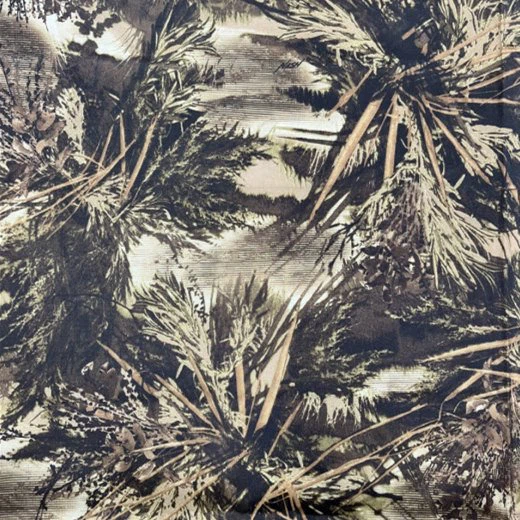
At our company, we offer a wide range of 300D Oxford Fabric products, including Oxford Cloth Waterproof and Oxford Camo Fabric. Our fabrics are made from high-quality materials and are available in a variety of colors and patterns. Whether you're looking for a durable fabric for your outdoor gear or a stylish fabric for your home decor, we have the perfect solution for you.
Contact Us for Procurement
If you're interested in purchasing our 300D Oxford Fabric products, please don't hesitate to contact us. Our team of experts is available to answer any questions you may have and to help you find the right fabric for your needs. We offer competitive prices, high-quality products, and excellent customer service. Contact us today to start your procurement process.
References
- Textile Institute. (2019). Handbook of Textile Fibres. Woodhead Publishing.
- Horrocks, A. R., & Anand, S. C. (Eds.). (2000). Flame Retardant Textiles. Woodhead Publishing.
- Tortora, P. G., & Merkel, J. B. (2016). Fairchild's Dictionary of Textiles. Fairchild Books.