

As a trusted supplier of Oxford Cloth Fabric, I often receive inquiries from customers about how to make this fabric softer. Oxford cloth is renowned for its durability and versatility, commonly used in various applications such as backpacks, tents, and clothing. However, its initial texture can sometimes be a bit stiff, which may not be ideal for certain uses, especially those that require close contact with the skin. In this blog, I'll share some effective methods to soften Oxford Cloth Fabric based on both scientific principles and practical experience.
Understanding the Nature of Oxford Cloth Fabric
Before delving into the softening methods, it's crucial to understand the composition and characteristics of Oxford cloth. Oxford cloth can be made from different materials, including cotton, polyester, or a blend of both. Each material has its own properties that influence the fabric's texture and how it responds to softening treatments.
- Cotton Oxford Cloth: Cotton is a natural fiber known for its breathability and comfort. However, pure cotton Oxford cloth can be relatively stiff when new, especially if it has been treated with sizing agents during the manufacturing process to enhance its appearance and handling.
- Polyester Oxford Cloth: Polyester is a synthetic fiber that offers excellent durability, water resistance, and wrinkle resistance. Polyester Oxford cloth, such as 210t Polyester Oxford, is often used in outdoor applications due to its robust nature. But it can also feel harsh and stiff, especially in its untreated state.
- Blended Oxford Cloth: Blended fabrics combine the advantages of both cotton and polyester, offering a balance of durability, comfort, and performance. The ratio of cotton to polyester in the blend will affect the fabric's softness and how it responds to softening methods.
Softening Methods for Oxford Cloth Fabric
1. Washing and Drying
One of the simplest and most effective ways to soften Oxford cloth is through regular washing and drying. The mechanical action of the washing machine and the tumbling in the dryer can help to break down the fibers and loosen the fabric structure.
- Use a Gentle Detergent: Choose a mild, fragrance - free detergent to avoid any potential irritation to the fabric or skin. Harsh detergents can damage the fibers and make the fabric stiffer over time.
- Add Fabric Softener: Fabric softeners contain chemicals that coat the fabric fibers, reducing friction between them and making the fabric feel softer. When using fabric softener, follow the instructions on the product label for the correct dosage.
- Select the Right Washing Cycle: Opt for a gentle or delicate cycle on your washing machine to minimize the stress on the fabric. Avoid using high - speed spin cycles, as they can cause the fabric to wrinkle and become stiffer.
- Tumble Dry on Low Heat: Drying the fabric in the dryer on a low - heat setting can further soften it. The heat helps to relax the fibers, while the tumbling action reduces stiffness. You can also add a few dryer balls to the dryer to enhance the softening effect by increasing the agitation.
2. Soaking in a Softening Solution
Soaking the Oxford cloth in a softening solution can be an effective way to penetrate the fibers and make the fabric softer.
- Vinegar Soak: Vinegar is a natural fabric softener that can help to remove any residual sizing agents and dirt from the fabric. Fill a large basin or bathtub with warm water and add 1 - 2 cups of white vinegar. Submerge the Oxford cloth in the solution and let it soak for at least 30 minutes. Rinse the fabric thoroughly with clean water and then wash it as usual.
- Baking Soda Soak: Baking soda is another natural alternative that can help to soften the fabric and neutralize any odors. Dissolve 1/2 cup of baking soda in warm water and soak the fabric for 1 - 2 hours. Rinse and wash the fabric as normal.
3. Mechanical Softening
Mechanical methods can also be used to soften Oxford cloth fabric.
- Brushing: Use a soft - bristle brush to gently brush the surface of the fabric. This can help to fluff up the fibers and make the fabric feel softer. Start from one end of the fabric and brush in one direction to avoid tangling the fibers.
- Stretching: Gently stretching the fabric in different directions can help to loosen the fibers and reduce stiffness. Be careful not to stretch the fabric too much, as this can cause it to lose its shape.
4. Chemical Treatments
There are also chemical treatments available that can be used to soften Oxford cloth fabric. However, these treatments should be used with caution, as they can potentially damage the fabric if not used correctly.
- Enzyme - based Softeners: Enzyme - based softeners work by breaking down the surface layer of the fabric fibers, making them softer and more flexible. Follow the instructions on the product label carefully when using enzyme - based softeners.
- Silicone - based Treatments: Silicone - based treatments can create a smooth, slippery surface on the fabric, reducing friction and making it feel softer. These treatments are often used in industrial settings and may require professional application.
Considerations for Different Types of Oxford Cloth
- Waterproof Oxford Cloth: Oxford Cloth Waterproof fabrics are often treated with a waterproof coating. When softening these fabrics, it's important to ensure that the softening method does not damage the waterproof layer. Avoid using harsh chemicals or abrasive mechanical methods that could remove or damage the coating. Instead, opt for gentle washing and drying methods, and consider using a waterproof - friendly fabric softener.
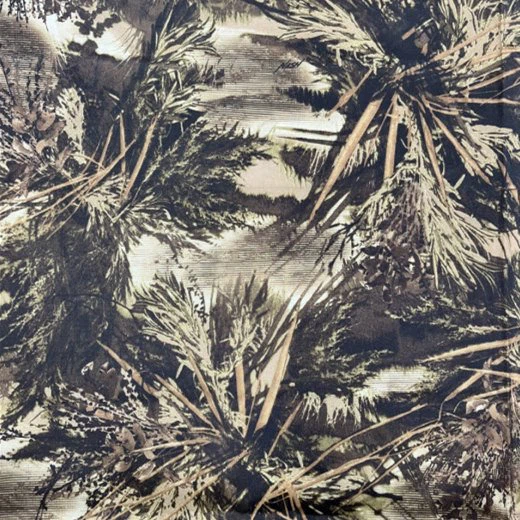
- Camouflage Oxford Cloth: Oxford Camouflage Fabric is known for its unique appearance. When softening this type of fabric, take care not to fade or damage the camouflage pattern. Use mild detergents and avoid excessive agitation or high - heat drying.
Maintaining the Softness of Oxford Cloth Fabric
Once you have successfully softened your Oxford cloth fabric, it's important to take steps to maintain its softness.

- Proper Storage: Store the fabric in a cool, dry place away from direct sunlight. Avoid folding the fabric tightly for long periods, as this can cause creases and make the fabric stiffer.
- Regular Cleaning: Wash the fabric regularly using the gentle methods described above to prevent dirt and grime from building up, which can make the fabric feel stiff.
Conclusion
Softening Oxford Cloth Fabric is a process that requires patience and the right approach. By understanding the nature of the fabric and using the appropriate softening methods, you can transform a stiff and rigid fabric into a soft and comfortable one. Whether you're using the fabric for clothing, outdoor gear, or other applications, a softer texture can enhance the overall user experience.

If you're interested in purchasing high - quality Oxford Cloth Fabric or have any questions about fabric softening, please don't hesitate to contact us for more information and to start a procurement negotiation. We're committed to providing you with the best products and solutions to meet your needs.
References
- Textile Chemistry and Technology by Clifford A. Feist
- Handbook of Fiber Science and Technology by Mark Lewin