

Camouflage spandex has gained significant popularity in various industries, from fashion to sports and military applications. Its unique combination of the distinctive camouflage pattern and the stretchy, form - fitting nature of spandex makes it a versatile fabric. However, one question that often arises among potential buyers is whether camouflage spandex pills easily. As a supplier of Camouflage Spandex, I am well - positioned to delve into this topic and provide an in - depth analysis.
Understanding Pilling in Fabrics
Pilling is the formation of small balls of fiber on the surface of a fabric. This occurs when fibers break due to friction, abrasion, or normal wear and tear. These broken fibers then entangle with each other, creating those unsightly pills. Fabrics with a looser fiber structure or longer fibers are generally more prone to pilling.
Factors Affecting Pilling in Camouflage Spandex
Fiber Composition
The fiber composition of camouflage spandex plays a crucial role in its pilling tendency. Spandex itself is a synthetic fiber known for its high elasticity. It is usually blended with other fibers such as polyester or nylon to enhance its strength, durability, and dye - ability.
Polyester is a common blend partner for spandex. Polyester fibers are smooth and have a relatively low friction coefficient, which means they are less likely to break and form pills. Nylon, on the other hand, is strong and abrasion - resistant. When spandex is blended with these fibers in the right proportions, the resulting Camo Spandex fabric can have excellent anti - pilling properties.
For example, a blend of 80% polyester and 20% spandex creates a fabric that is not only stretchy but also resistant to pilling. The polyester provides the structure and durability, while the spandex adds the stretch.
Weave and Knit Structure
The way the fabric is woven or knitted also affects its pilling tendency. Tightly woven or knitted fabrics are less likely to pill because the fibers are held more securely in place. In the case of camouflage spandex, a tight interlock knit or a twill weave can reduce the chances of fibers breaking and forming pills.
A loose or open - knit structure, on the other hand, exposes the fibers more to friction and abrasion, increasing the likelihood of pilling. When choosing camouflage spandex, it is advisable to opt for fabrics with a denser weave or knit pattern.
Usage and Care
How the camouflage spandex is used and cared for can significantly impact its pilling. If the fabric is subjected to harsh conditions, such as frequent rubbing against rough surfaces or excessive stretching, it is more likely to pill.
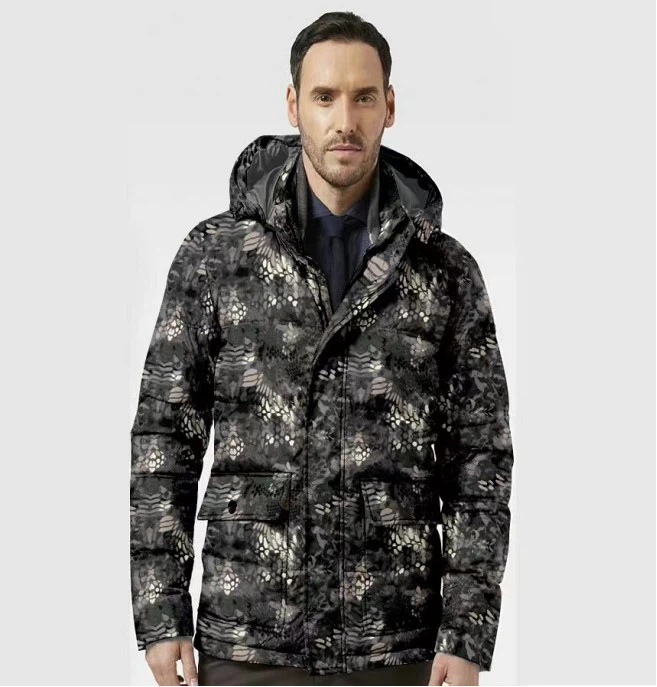
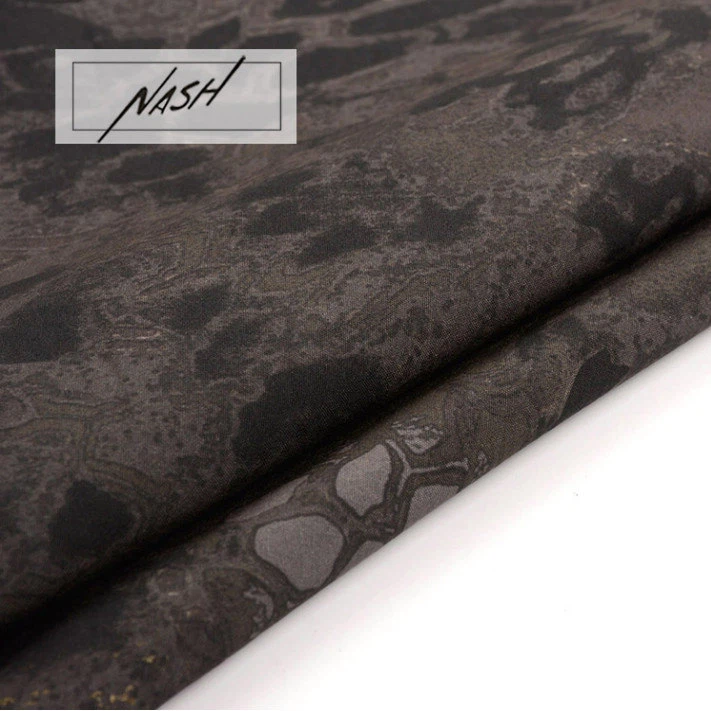
For instance, in military applications, where camouflage spandex may be used for uniforms, the fabric is often exposed to rough terrain, equipment, and constant movement. This can cause more friction and abrasion, increasing the risk of pilling.
In terms of care, washing the fabric in hot water, using harsh detergents, or putting it in the dryer on high heat can all contribute to pilling. It is recommended to wash camouflage spandex in cold water with a mild detergent and air - dry it to minimize the risk of pilling.
Scientific Studies on Spandex Pilling
Several scientific studies have been conducted on the pilling properties of spandex - blended fabrics. These studies have used various testing methods, such as the Martindale abrasion test and the pilling box test.
The Martindale abrasion test involves rubbing the fabric against a standard abrasive material under a specific pressure and for a set number of cycles. The fabric is then evaluated for the degree of pilling. The pilling box test, on the other hand, involves tumbling the fabric with abrasive balls in a box for a certain period and then assessing the pilling level.
These studies have shown that the blend ratio of spandex with other fibers, as well as the finishing treatments applied to the fabric, can have a significant impact on its pilling resistance. For example, fabrics treated with anti - pilling agents have been found to have a lower pilling tendency compared to untreated fabrics.
Our Camouflage Spandex Products
As a supplier of Camoufage Spandex Fabric, we take great care in ensuring that our products have excellent anti - pilling properties. We use high - quality fibers and advanced manufacturing techniques to produce fabrics that are both stretchy and durable.
Our camouflage spandex is typically blended with polyester or nylon in optimal ratios. We also use tight weaves and knits to hold the fibers securely in place. In addition, our fabrics undergo special finishing treatments to enhance their anti - pilling performance.
We offer a wide range of camouflage patterns to meet the diverse needs of our customers. Whether you are in the fashion industry looking for a unique fabric for your designs or in the military or sports sector requiring functional and durable uniforms, our camouflage spandex is a great choice.
Conclusion
In conclusion, whether camouflage spandex pills easily depends on several factors, including fiber composition, weave or knit structure, and usage and care. When the right blend of fibers is used, combined with a tight fabric structure and proper finishing treatments, camouflage spandex can have excellent anti - pilling properties.
As a supplier, we are committed to providing high - quality camouflage spandex that meets the highest standards of durability and performance. If you are interested in our products, we invite you to contact us for a detailed discussion on your requirements. We can provide samples for you to test the fabric's properties firsthand. Whether you need a small quantity for a prototype or a large order for mass production, we are here to serve you.
References
- Textile Research Journal, various issues on fabric pilling and performance.
- Proceedings of international textile conferences on spandex - blended fabrics.
- Industry reports on the properties and applications of camouflage spandex.