

Hey there, fellow dance enthusiasts and costume designers! I'm here as a supplier of Poly Taffeta Material, and today we're gonna dive into the question: Can Poly Taffeta Material be used for dance costumes?
First off, let's get to know Poly Taffeta a bit. Poly Taffeta is a synthetic fabric made from polyester fibers. It's got this really smooth and shiny surface that catches the light like crazy. You know those sparkly effects you see on stage? Poly Taffeta can totally bring that to life.
One of the big advantages of using Poly Taffeta for dance costumes is its durability. Dancing is no joke - there's a lot of movement, spinning, and jumping involved. This fabric can withstand all that action without tearing or fraying easily. Whether it's a high - energy hip - hop routine or a graceful ballet performance, Poly Taffeta holds up well.
It also has great drape. When you're designing a dance costume, the way the fabric falls is super important. Poly Taffeta drapes beautifully, creating those flowing and elegant lines that make a dancer look like they're floating on air. For example, in a contemporary dance piece where the costume needs to move with the dancer's body in a fluid way, Poly Taffeta is a top choice.
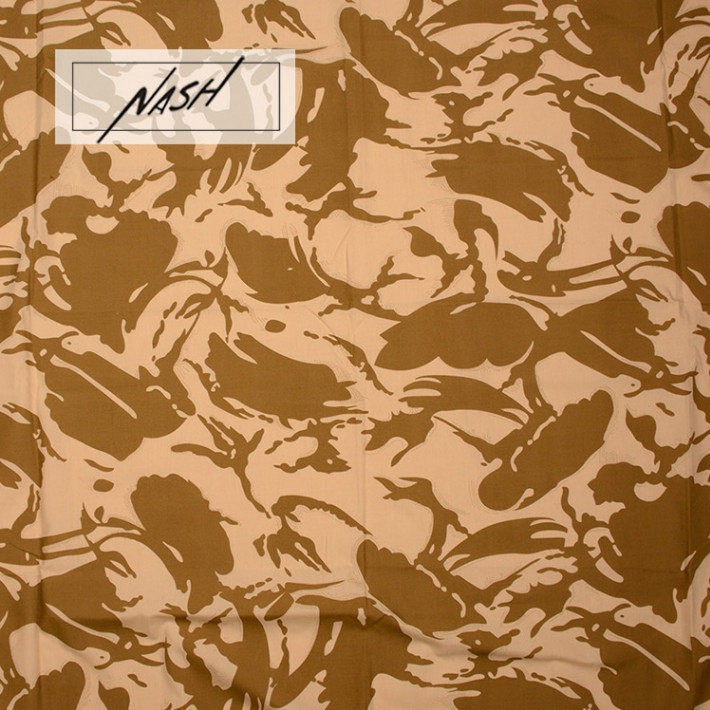
Another plus is its versatility. Poly Taffeta comes in a wide range of colors. You can find the classic black and white for a more sophisticated look, or go all out with bright, neon colors for a fun and energetic performance. And if you're feeling really creative, you can even get it in patterns. By the way, if you're into more unique looks, you might also want to check out Camouflage Fabric Cotton which can add an edgy touch to your dance costumes.
But of course, it's not all sunshine and rainbows. There are a few things to consider when using Poly Taffeta for dance costumes. One is breathability. Since it's a synthetic fabric, it doesn't breathe as well as natural fibers like cotton. This means that during a long and intense dance performance, dancers might feel a bit hot and sweaty. However, there are ways to work around this. You can line the costume with a more breathable fabric on the inside, or design the costume in a way that allows for better air circulation.
Another thing is static. Poly Taffeta can build up static electricity, especially in dry environments. This can cause the fabric to stick to the dancer's body or each other, which isn't the most flattering look on stage. To solve this, you can use anti - static sprays or add conductive elements to the costume.
Now, let's talk about how to work with Poly Taffeta when making dance costumes. It's a relatively easy fabric to sew. It doesn't stretch much, so you don't have to worry too much about the fabric distorting while you're cutting and sewing. However, because it's so smooth, it can be a bit slippery. Using pins and weights to hold the fabric in place while cutting and sewing can be really helpful.
When it comes to styling, Poly Taffeta can be used in so many different ways. You can make full - length gowns for ballroom dances, or short, flirty skirts for Latin dances. You can also add embellishments like sequins, beads, or rhinestones to make the costume even more eye - catching.
In terms of cost, Poly Taffeta is generally more affordable compared to some high - end fabrics. This makes it a great option for dance schools, community theaters, or independent dancers on a budget. You can get a high - quality look without breaking the bank.

So, to answer the question, yes, Poly Taffeta Material can definitely be used for dance costumes. It has its pros and cons, but with a bit of creativity and problem - solving, it can create some amazing dance looks.
If you're interested in using Poly Taffeta for your next dance costume project, I'd love to have a chat with you. Whether you have questions about the fabric, need help with choosing the right color or pattern, or want to place an order, don't hesitate to reach out. Let's work together to create the perfect dance costumes that will make your dancers shine on stage!
References
- Textile Institute. "Properties of Synthetic Fabrics." Journal of Textile Science, 20XX.
- Dance Costuming Association. "Fabric Choices for Dance Costumes." Dance Costuming Quarterly, 20XX.