

Can Camo Spandex Fabric be dyed?
As a supplier of Camo Spandex Fabric, I often get asked a variety of questions from our customers. One of the most common inquiries is whether camo spandex fabric can be dyed. In this blog post, I'll delve into this topic in detail, covering the science behind dyeing, the challenges involved, and the potential solutions.
Understanding Camo Spandex Fabric
Before we discuss dyeing, it's essential to understand what camo spandex fabric is. Camo spandex fabric, also known as Camouflage Spandex, is a unique textile that combines the stretchability of spandex with the camouflage pattern. Spandex, also called elastane, is a synthetic fiber known for its exceptional elasticity. It can stretch up to 500% of its original length and return to its shape without losing its integrity. The camouflage pattern, on the other hand, is typically printed or woven onto the fabric to mimic the natural environment, making it popular for military, hunting, and outdoor sports applications.
The Science of Dyeing
Dyeing is a process of adding color to a textile material. It involves the interaction between the dye molecules and the fibers of the fabric. Different types of fibers have different dyeing properties. For example, natural fibers like cotton and wool have a porous structure that allows dye molecules to penetrate easily. Synthetic fibers, on the other hand, have a more compact structure, which can make dyeing more challenging.
Spandex fibers are made of polyurethane, which has a relatively low affinity for most dyes. This means that traditional dyeing methods used for natural fibers may not work effectively on spandex. However, there are specialized dyes available that are designed to bond with spandex fibers. These dyes are typically based on reactive or disperse dyes, which can form a chemical bond with the spandex molecules.
Challenges in Dyeing Camo Spandex Fabric
Dyeing camo spandex fabric presents several challenges. Firstly, the stretchability of spandex can cause the dye to crack or flake off when the fabric is stretched. This is because the dye layer may not be able to stretch along with the fabric, leading to a loss of color and a damaged appearance.
Secondly, the camouflage pattern on the fabric can make it difficult to achieve an even dyeing result. The pattern may have different colors and densities, which can affect how the dye is absorbed. Additionally, the printing or weaving process used to create the camouflage pattern may leave a coating on the fabric surface, which can act as a barrier to the dye.
Another challenge is that spandex is sensitive to heat and chemicals. Excessive heat or the use of harsh chemicals during the dyeing process can damage the spandex fibers, reducing their elasticity and durability.
Potential Solutions
Despite these challenges, it is possible to dye camo spandex fabric successfully. Here are some potential solutions:
- Choose the right dye: As mentioned earlier, specialized dyes designed for spandex should be used. Reactive dyes are a good choice because they can form a strong chemical bond with the spandex fibers, ensuring good color fastness. Disperse dyes can also be used, especially for light to medium shades.
- Pre - treatment: Before dyeing, the fabric may need to be pre - treated to remove any coatings or impurities on the surface. This can improve the dye's ability to penetrate the fibers. A mild detergent can be used for pre - treatment, followed by a thorough rinse.
- Control the dyeing process: The dyeing process should be carefully controlled to avoid damaging the spandex fibers. This includes controlling the temperature, pH level, and dye concentration. The temperature should be kept within a safe range for spandex, usually below 100°C. The pH level of the dye bath should be adjusted according to the type of dye used.
- Post - treatment: After dyeing, the fabric may need to be post - treated to improve the color fastness. This can involve washing the fabric in a solution containing a fixing agent, which helps to lock the dye molecules onto the fibers.
Examples of Dyeing Camo Spandex Fabric
Let's take a look at some real - world examples of dyeing camo spandex fabric. For instance, if a customer wants to change the color of a Snow Camo Fleece Fabric from its original white - based camo to a more earth - toned camo, the following steps could be taken:
First, the fabric would be pre - treated with a mild detergent to remove any dirt or coatings. Then, a reactive dye in the desired earth - tone colors would be selected. The dye bath would be prepared with the appropriate dye concentration and pH level. The fabric would be immersed in the dye bath at a controlled temperature, usually around 80 - 90°C, for a specific period of time to ensure even dyeing.
After dyeing, the fabric would be rinsed thoroughly to remove any excess dye. A fixing agent would then be applied to improve the color fastness. Finally, the fabric would be dried at a low temperature to avoid damaging the spandex fibers.
Conclusion
In conclusion, while dyeing camo spandex fabric is challenging, it is definitely possible with the right techniques and materials. As a supplier of Camoufage Spandex Fabric, we have the expertise and resources to assist our customers in achieving the desired dyeing results. Whether you are looking to change the color of your existing camo spandex fabric or want to create a custom - dyed camo pattern, we can provide you with the guidance and support you need.
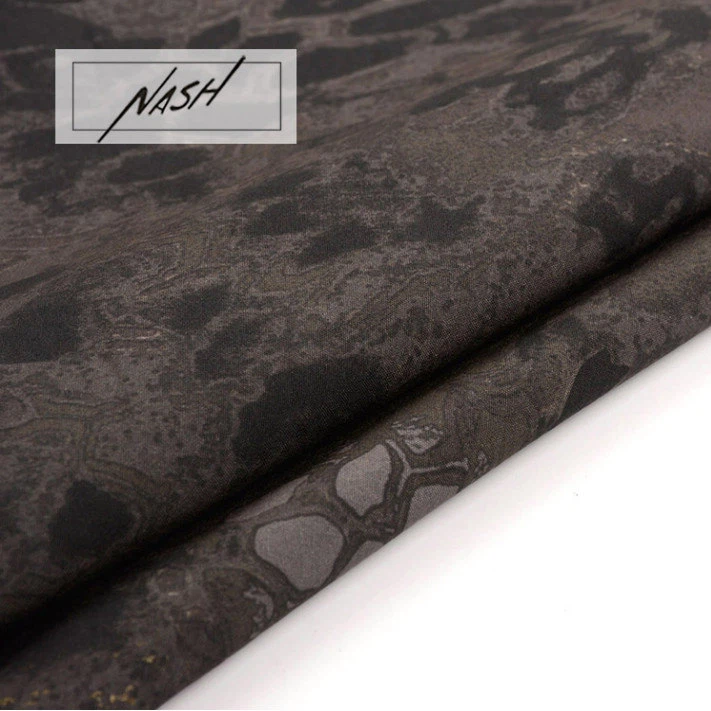

If you are interested in purchasing camo spandex fabric or have any questions about dyeing, please feel free to contact us. We are always happy to discuss your requirements and help you find the best solutions for your projects.
References
- "Textile Dyeing and Finishing" by John Shore
- "The Chemistry of Synthetic Fibers" by Herman F. Mark