

Hey there! As a supplier of 300D Oxford Fabric, I've gotten tons of questions about whether this material can be used for making backpacks. Well, I'm here to spill the beans and give you the lowdown on this versatile fabric.
First off, let's talk about what 300D Oxford Fabric actually is. The "300D" refers to the denier, which is a unit of measurement for the weight and thickness of the fabric. In simple terms, the higher the denier, the thicker and more durable the fabric. A 300D fabric strikes a pretty good balance between durability and weight, making it a popular choice for many applications.
One of the biggest advantages of using 300D Oxford Fabric for backpacks is its durability. Backpacks go through a lot of wear and tear, from being tossed around on the floor to being dragged across rough surfaces. 300D fabric can handle this abuse pretty well. It's made of strong polyester fibers that are tightly woven together. This tight weave not only makes the fabric resistant to tearing but also gives it some decent abrasion resistance. So, even if your backpack rubs against a tree branch on a hike or gets scraped on a concrete sidewalk, the fabric is likely to hold up.
Another great thing about this fabric is its flexibility. Backpacks need to be able to bend and flex with your movements. You don't want a stiff fabric that restricts your mobility or makes the backpack feel bulky. 300D Oxford Fabric is relatively flexible. It can be easily shaped into different styles of backpacks, whether it's a sleek, minimalist design or a more rugged, multi - pocketed one.
Now, let's talk about waterproofing. Water is a big enemy of backpacks, especially if you're carrying important stuff like your laptop, books, or clothes. The good news is that 300D Oxford Fabric can be treated to make it waterproof. You can find Oxford Cloth Waterproof options on the market. These treatments create a barrier on the surface of the fabric that prevents water from seeping through. So, if you get caught in a sudden rain shower or accidentally spill a drink on your backpack, your belongings should stay dry.
In terms of cost - effectiveness, 300D Oxford Fabric is a winner. It's not as expensive as some of the higher - denier fabrics, but it still offers a good level of quality and durability. For businesses looking to make backpacks, using 300D fabric can help keep production costs down without sacrificing too much in terms of performance. This means that you can offer your customers a reasonably priced backpack that lasts.
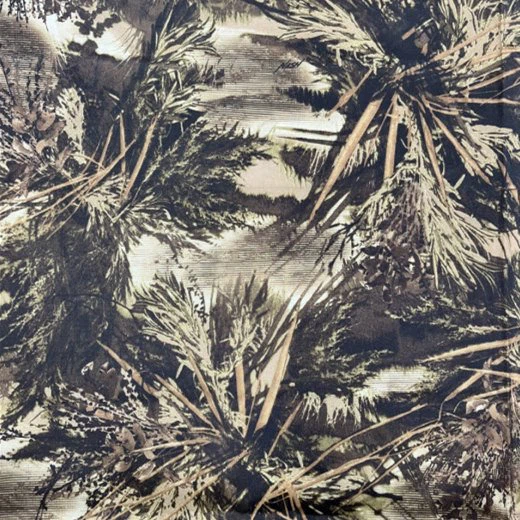
When it comes to aesthetics, 300D Oxford Fabric has a lot to offer. It comes in a wide range of colors and patterns. You can choose a classic solid color for a more professional look, or go for something more fun and eye - catching like Oxford Camouflage Fabric. This allows backpack manufacturers to create products that appeal to different customer tastes and styles.
However, 300D Oxford Fabric isn't without its limitations. If you're looking for extreme durability for heavy - duty use, such as for military or industrial backpacks that need to carry very heavy loads over long distances, you might want to consider a higher - denier fabric. 300D fabric, while durable, may not be able to withstand the kind of extreme stress that these specialized applications require.
Also, while it can be made waterproof, it may not be as waterproof as some high - end waterproof materials. In extremely wet conditions or if the fabric is immersed in water for a long time, there is still a risk of some water seeping through, especially at the seams if they aren't properly sealed.

Compared to other fabrics commonly used for backpacks, such as 210D or 600D, 300D has its own unique position. 210D is lighter and often used for more lightweight, minimalist backpacks. If you're looking for something really light to carry around for short trips or for kids' backpacks, 210t Polyester Oxford might be a better choice. On the other hand, 600D is thicker and more durable, but also heavier and more expensive. 300D is a middle - ground option that offers a good combination of durability, weight, and cost.
In conclusion, 300D Oxford Fabric can definitely be used for making backpacks. It offers a good balance of durability, flexibility, cost - effectiveness, and aesthetics. Whether you're a small business owner looking to start making backpacks or a backpack enthusiast interested in the materials used, 300D fabric is worth considering.
If you're interested in using 300D Oxford Fabric for your backpack production or have any other related questions, I'd love to talk more with you. Feel free to reach out to me for a detailed discussion about pricing, samples, and customization options. Let's work together to create some amazing backpacks!
References:
- Research on textile materials and applications
- Industry knowledge and experience in fabric supply