

As a supplier of 210t Polyester Oxford, I've often been asked whether this fabric can be used for making sportswear. In this blog post, I'll delve into the characteristics of 210t Polyester Oxford and explore its suitability for sportswear manufacturing.
Understanding 210t Polyester Oxford
First, let's understand what 210t Polyester Oxford is. The "210t" refers to the thread count, which means there are 210 threads per inch in the fabric. Polyester is the primary material, a synthetic fiber known for its durability, wrinkle - resistance, and quick - drying properties. Oxford fabric is characterized by its basket - weave structure, which gives it a unique texture and strength.
210t Polyester Oxford offers several advantages. It is lightweight, which is a crucial factor for sportswear. Athletes need clothing that doesn't weigh them down during physical activities. This fabric is also relatively inexpensive compared to some high - end sportswear materials, making it an attractive option for cost - conscious manufacturers.
Physical Properties Relevant to Sportswear
Durability
Sports involve a lot of movement, stretching, and sometimes even rough handling. 210t Polyester Oxford has good abrasion resistance. Whether it's a basketball player sliding on the court or a cyclist rubbing against the bike seat, the fabric can withstand a certain amount of wear and tear. This durability ensures that the sportswear lasts longer, which is beneficial for both the consumer and the manufacturer.
Breathability
One of the challenges in using polyester - based fabrics for sportswear is breathability. Polyester is not as breathable as natural fibers like cotton. However, 210t Polyester Oxford can be treated to improve its breathability. Some manufacturers use special coatings or weaving techniques to create micro - pores in the fabric, allowing air to circulate and sweat to evaporate. This helps keep the athlete cool and dry during exercise.
Moisture Wicking
Moisture wicking is an essential property for sportswear. When athletes sweat, the fabric needs to draw the moisture away from the skin to the outer surface of the clothing, where it can evaporate. 210t Polyester Oxford has inherent moisture - wicking capabilities. The polyester fibers have a smooth surface that allows sweat to spread out and dry quickly. This helps prevent the feeling of being soaked in sweat, which can be uncomfortable and even lead to skin problems.
Stretchability
While 210t Polyester Oxford is not as stretchy as some specialized sportswear fabrics, it can still offer a certain degree of stretch. The basket - weave structure allows for some give in the fabric, which is useful for movements such as running, jumping, and bending. For sports that require a high range of motion, additional stretch panels can be added to the sportswear made from 210t Polyester Oxford.
Different Types of Sportswear Applications
Outdoor Sports
For outdoor sports like hiking, camping, and cycling, 210t Polyester Oxford is a viable option. Its durability makes it suitable for rough outdoor environments. The fabric can resist scratches from branches and thorns. Also, when treated with a waterproof coating, it can be used to make rain jackets and pants. You can find more information about waterproof Oxford cloth here. The moisture - wicking property is also beneficial in outdoor sports, as athletes often sweat a lot due to physical exertion and changing weather conditions.
Team Sports
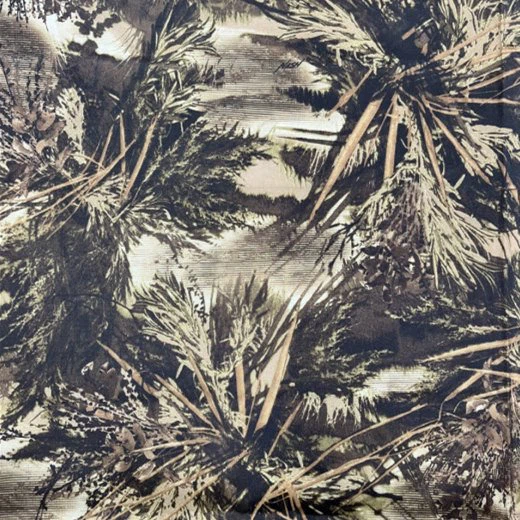
In team sports such as basketball, soccer, and volleyball, 210t Polyester Oxford can be used to make uniforms. The lightweight nature of the fabric allows players to move freely on the court or field. The fabric can also be printed with team logos and colors easily. Moreover, its relatively low cost makes it a practical choice for teams that need to outfit multiple players. If you're interested in a more unique look, Oxford Camouflage Fabric could be a great option for certain team sports uniforms.
Fitness and Gym Wear
For fitness enthusiasts and gym - goers, 210t Polyester Oxford can be used to make workout tops and bottoms. The breathability and moisture - wicking properties help keep the body comfortable during intense workouts. The fabric's ability to resist wrinkles also means that the sportswear looks presentable even after a long workout session.
Limitations of 210t Polyester Oxford for Sportswear
Despite its many advantages, 210t Polyester Oxford also has some limitations when it comes to sportswear.
Lack of Natural Feel
Compared to natural fibers like cotton, 210t Polyester Oxford may not have the same soft and comfortable feel against the skin. Some people may find the synthetic nature of polyester to be a bit itchy or uncomfortable, especially if they have sensitive skin.
Limited Elasticity
As mentioned earlier, the stretchability of 210t Polyester Oxford is limited. For sports that require extreme flexibility, such as yoga or gymnastics, the fabric may not provide enough freedom of movement on its own.

Overcoming the Limitations
To overcome the limitations, manufacturers can take several approaches. For the issue of the lack of natural feel, they can blend 210t Polyester Oxford with natural fibers like cotton or bamboo. This can improve the softness of the fabric while still retaining the benefits of polyester, such as durability and moisture - wicking.
To address the limited elasticity problem, manufacturers can use a combination of 210t Polyester Oxford and stretchy fabrics like spandex. They can place stretch panels in areas where more flexibility is needed, such as the elbows, knees, and waistbands.
Conclusion
In conclusion, 210t Polyester Oxford can indeed be used for making sportswear. Its durability, lightweight nature, moisture - wicking capabilities, and relatively low cost make it an attractive option for various types of sportswear applications. While it has some limitations, these can be overcome through appropriate manufacturing techniques and fabric combinations.
If you're a sportswear manufacturer or an individual interested in sourcing 210t Polyester Oxford for your sportswear needs, I encourage you to contact me for further discussions. You can learn more about 210t Polyester Oxford on our website. Let's explore how this fabric can be tailored to your specific sportswear requirements.
References
- Textile Technology Handbook, various editions
- Journal of Sportswear Materials Research
- Industry reports on sportswear fabric trends