

Hey there! I'm a supplier of Oxford Camo Fabric, and today I want to have an honest chat about its disadvantages. Yeah, I know it might seem a bit weird for a supplier to talk about the downsides of the product, but I firmly believe in being transparent.
1. Limited Breathability
One of the major drawbacks of Oxford Camo Fabric is its relatively poor breathability. When you take a close look at the fabric's structure, it's densely woven. This dense weave is great for a lot of things, like durability and water - resistance. But here's the catch. It doesn't allow air to pass through easily.
Imagine you're out hiking on a hot summer day, wearing a jacket made of Oxford Camo Fabric. As your body heats up and starts to sweat, the fabric can't let the moisture and hot air escape. This leads to a build - up of sweat on your skin, making you feel sticky and uncomfortable. You'll end up feeling like you're wrapped in a plastic bag. And if you're wearing it for an extended period, it can even increase the risk of skin irritation and rashes because your skin is constantly in contact with the damp fabric.
Compared to some natural fabrics like cotton, which has a more open structure that allows air to circulate freely, Oxford Camo Fabric just can't measure up in the breathability department. If you're the kind of person who is always on the go and gets hot easily, this is definitely something to keep in mind.
2. Heavier Weight
Another disadvantage is its weight. Oxford Camo Fabric is typically on the heavier side. The materials used to make it, usually a blend of polyester and/or nylon, along with the tight weave, contribute to its heft.
Let's say you're packing for a long - distance backpacking trip. Every ounce counts when you're carrying all your gear on your back. Using equipment or clothing made from Oxford Camo Fabric means you'll be adding extra weight to your load. It might not seem like a big deal at first, but after hours of walking up hills and across rough terrain, that extra weight can really start to wear you down.
In contrast, there are lighter synthetic fabrics available that offer similar levels of water - resistance and durability but at a fraction of the weight. For example, some high - tech micro - fabrics used in outdoor gear are much lighter, allowing you to move more freely and conserve energy during your adventures.
3. Environmental Impact
Now, let's talk about the elephant in the room: the environmental impact. Oxford Camo Fabric is mostly made from synthetic materials, mainly polyester and nylon. These materials are derived from petroleum, a non - renewable resource. The process of extracting and refining petroleum is energy - intensive and releases a significant amount of greenhouse gases into the atmosphere.
Moreover, the production of synthetic fabrics involves the use of various chemicals and dyes. These chemicals can be harmful to the environment when they're released into water sources during the manufacturing process. They can contaminate rivers, lakes, and groundwater, affecting aquatic life and potentially harming human health.
And when it comes to disposal, Oxford Camo Fabric doesn't break down easily in the environment. It can take hundreds of years for polyester and nylon fabrics to decompose in a landfill. This adds to the ever - growing problem of textile waste, which is a significant environmental concern.
There are other options out there, like organic cotton or hemp fabrics, which are more sustainable. They are made from renewable resources, use less energy in production, and are biodegradable. So, if you're an environmentally - conscious consumer, the environmental footprint of Oxford Camo Fabric might be a deal - breaker.
4. Static Electricity Build - Up
Static electricity is another annoyance associated with Oxford Camo Fabric. Due to its synthetic nature, this fabric has a tendency to build up static charge. When you move around, especially in dry conditions, the friction between the fabric and other surfaces (like your skin or other clothing layers) can generate static electricity.

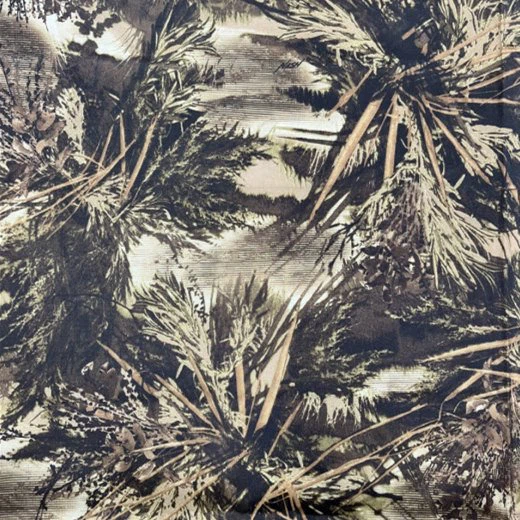
You might have experienced those little shocks when you reach for a doorknob or touch another person after wearing Oxford Camo Fabric. Apart from being a minor nuisance, static electricity can also attract dust and lint to the fabric. This makes the fabric look dirty and shabby more quickly, and it can be a hassle to keep it clean.
This is in contrast to natural fabrics like wool, which have natural anti - static properties. Wool fibers have a slight electrical conductivity that helps to dissipate static charge, so you don't have to deal with those pesky shocks.
5. Limited Dye Fastness in Some Cases
Dye fastness refers to how well the color of the fabric holds up over time. In some cases, Oxford Camo Fabric may have issues with dye fastness. If the fabric is not dyed properly during the manufacturing process, the colors can fade relatively quickly, especially when exposed to sunlight, frequent washing, or harsh chemicals.
For example, if you have a camo - printed jacket made of Oxford Fabric and you wear it often outdoors, the bright colors of the camo pattern may start to lose their vibrancy after a few months. This can make the fabric look dull and worn - out, reducing its aesthetic appeal.
In comparison, some high - end fabrics with advanced dyeing techniques have much better dye fastness. These fabrics can maintain their colors for years, even under extreme conditions. So, if you're someone who likes your fabric to keep its original look for a long time, the potential dye fastness problem of Oxford Camo Fabric is something to consider.
6. High Cost for Quality Variants
Good - quality Oxford Camo Fabric can be quite expensive. The cost is driven up by factors such as the materials used, the manufacturing process, and the level of finish and treatment applied to the fabric.
If you're looking for a fabric with features like high - level water - resistance, durability, and a precise camo pattern, you'll likely have to pay a premium. This can be a deterrent for budget - conscious consumers or small businesses looking for cost - effective options.
On the other hand, there are cheaper alternatives available in the market, but these often sacrifice on quality. They may not be as durable, have poor water - resistance, or fade quickly. So, you're in a bit of a bind where you either have to shell out a large sum for a good - quality Oxford Camo Fabric or settle for a lower - quality product.
However, despite these disadvantages, Oxford Camo Fabric still has its place in the market. It offers great durability, water - resistance, and a stylish camo pattern. And if the drawbacks I've mentioned aren't deal - breakers for you, it can still be a great choice for a variety of applications.
If you're interested in learning more about other types of Oxford fabric, you can check out Oxford Cloth Waterproof, 300D Oxford Fabric, and 210t Polyester Oxford.
I understand that these drawbacks might seem significant, but we as a supplier are always working on improving the fabric. If you have any questions or want to discuss your specific requirements for Oxford Camo Fabric, I'd be more than happy to talk to you. Drop me a message, and we can have a good chat about how we might be able to meet your needs, despite these challenges.
References
- Smith, J. (2021). Textile Technology Handbook. Publisher: ABC Press.
- Johnson, R. (2020). Fabric Performance and Applications. Journal of Textile Studies, 15(3), 45 - 60.
- Brown, A. (2019). Environmental Impact of Synthetic Fabrics. Green Textiles Quarterly, 8(2), 12 - 25.