

Hey there! As a supplier of Poly Taffeta Material, I often get asked if this material can be used for tablecloths. Well, let's dive right into it and find out.
First off, let's talk a bit about what Poly Taffeta Material is. Poly taffeta is a type of fabric made from polyester fibers. It's known for its smooth, shiny surface and its durability. It's a lightweight fabric that's relatively easy to work with, which makes it a popular choice for a variety of applications.
Advantages of Using Poly Taffeta for Tablecloths
One of the biggest advantages of using poly taffeta for tablecloths is its durability. Polyester fibers are strong and resistant to wear and tear. This means that your tablecloth can withstand the daily rigors of use, like being moved around, folded, and washed. You won't have to worry about it getting easily damaged or torn, which is a huge plus, especially if you have a busy household or use the table for events.
Another great thing about poly taffeta is its easy maintenance. Unlike some natural fabrics that require special care, poly taffeta can usually be machine - washed. You don't have to spend a fortune on dry - cleaning or worry about following complicated washing instructions. Just toss it in the washing machine, and it'll come out looking good as new.
In terms of appearance, poly taffeta has a sleek and shiny look that can add a touch of elegance to any table. It comes in a wide range of colors, so you can easily find one that matches your decor. Whether you're going for a formal, sophisticated look or a more fun and colorful style, there's a poly taffeta color for you.
It's also relatively affordable compared to some other high - end tablecloth materials. If you're on a budget but still want a nice - looking tablecloth, poly taffeta is a great option. You can get a good - quality tablecloth without breaking the bank.
Disadvantages of Using Poly Taffeta for Tablecloths
However, poly taffeta isn't without its drawbacks. One of the main issues is that it's not as breathable as natural fabrics like cotton. This means that if you're using the tablecloth for a long - term event where food and drinks are present, it might not absorb spills as well as a cotton tablecloth. Spills can just sit on the surface, and you'll have to clean them up quickly to avoid staining.
Another potential problem is static. Polyester fabrics tend to generate static electricity, especially in dry conditions. This can make the tablecloth cling to things and look a bit messy. You might have to deal with some annoying static cling when you're setting up or moving the tablecloth.
Comparison with Other Tablecloth Materials
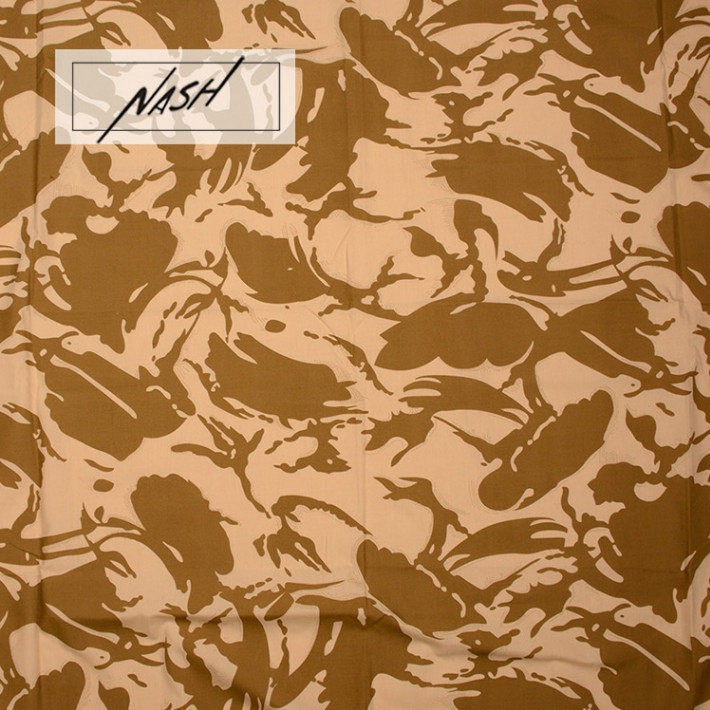
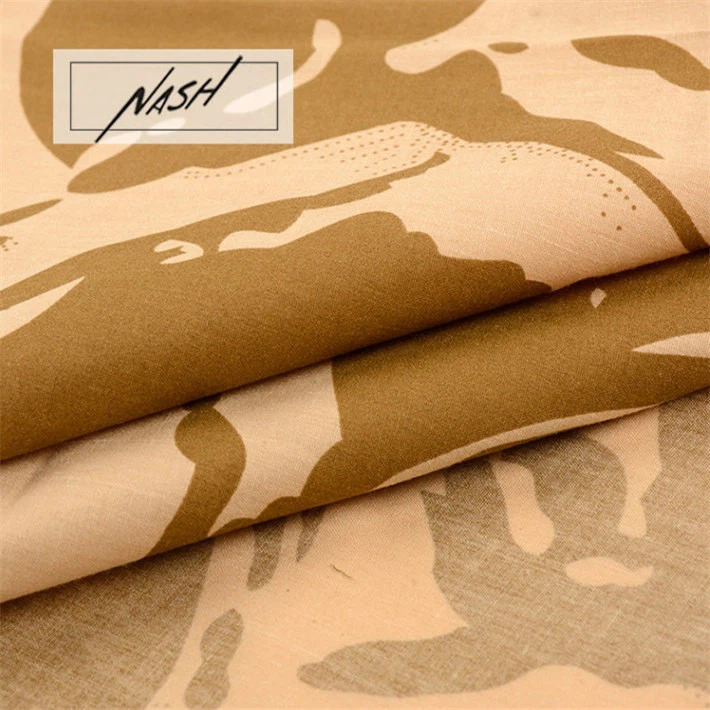
Let's compare poly taffeta with Camouflage Fabric Cotton. Cotton is a natural fiber, and it's very breathable. It can absorb spills easily, which is great for tablecloths. But cotton also wrinkles easily, and it might require more ironing to keep it looking presentable.
On the other hand, poly taffeta is wrinkle - resistant. You can fold it up and store it away, and when you take it out again, it'll still look relatively smooth. But as we mentioned earlier, it lacks the breathability and absorbency of cotton.
Silk is another high - end option for tablecloths. It has a luxurious feel and a beautiful sheen. However, silk is very delicate and expensive to maintain. Poly taffeta offers a more budget - friendly alternative with a somewhat similar shiny appearance.
Practical Considerations
If you're thinking about using poly taffeta for tablecloths, there are a few practical things to keep in mind. First, make sure to measure your table accurately before ordering. You want the tablecloth to fit properly, not too big or too small.
When it comes to cleaning, use a mild detergent and avoid using bleach or harsh chemicals. These can damage the fabric and affect its color and texture. Also, don't use high - heat settings when drying the tablecloth, as this can shrink or damage the polyester fibers.
If you're using the tablecloth for a special event, you can add some decorative touches. You can use fabric paints or embroidery to customize the tablecloth and make it more unique.
Who Should Use Poly Taffeta Tablecloths?
Poly taffeta tablecloths are a great choice for casual settings, like family dinners or small gatherings at home. They're also suitable for commercial settings such as cafes or restaurants, where durability and easy maintenance are important. If you host a lot of events and need a tablecloth that can be used repeatedly without looking worn out, poly taffeta is a good option.
However, if you're hosting a very formal event where breathability and a more natural look are crucial, you might want to consider other materials. But for most everyday and semi - formal situations, poly taffeta can do the job just fine.
Conclusion
So, can poly taffeta material be used for tablecloths? Absolutely! It has its pros and cons, but overall, it's a viable option for many people. Its durability, easy maintenance, and affordability make it an attractive choice for a variety of settings.
If you're interested in purchasing poly taffeta for your tablecloths or have any questions about our products, don't hesitate to reach out. We're here to help you find the perfect material for your needs. Whether you need a large quantity for a commercial project or just a single tablecloth for your home, we've got you covered.
References
- Textile Encyclopedia: A comprehensive guide on different fabric types and their properties.
- Home Decor Magazines: Articles on various tablecloth materials and their suitability for different settings.