

Hey there! As a supplier of Oxford Cloth Fabric, I often get asked about its water - repellency. So, let's dive right into it and explore what makes Oxford cloth fabric water - resistant.
First off, what exactly is Oxford cloth fabric? It's a type of woven fabric that's known for its durability and versatility. It's commonly used in making a variety of products like backpacks, tents, and outdoor clothing. The fabric gets its name from the fact that it was originally used in the production of men's dress shirts at Oxford University.

Now, let's talk about water - repellency. Water - repellency is the ability of a fabric to resist the penetration of water. Unlike waterproof fabrics that completely block water from passing through, water - repellent fabrics allow some water to be shed off the surface before it can soak in.
One of the main factors that contribute to the water - repellency of Oxford cloth fabric is its weave. Oxford cloth typically has a basket or plain weave structure. In a basket weave, the yarns are interlaced in a way that creates small pockets and channels on the fabric's surface. These pockets act as barriers, preventing water from easily seeping through. When water hits the fabric, it tends to bead up on these raised areas and roll off instead of being absorbed.
Another aspect is the treatment that the fabric can undergo. Many manufacturers, including us, apply a water - repellent finish to the Oxford cloth. This finish is usually a chemical treatment that coats the individual fibers of the fabric. The most common type of water - repellent finish is based on fluoropolymers or silicone. These substances create a hydrophobic (water - hating) surface on the fabric. When water comes into contact with the treated fabric, the water molecules are repelled, causing them to form droplets and run off.
However, it's important to note that the water - repellency of Oxford cloth can vary depending on a few factors. The quality of the water - repellent treatment is a big one. A high - quality treatment will last longer and provide better water - resistance. Also, the type of yarn used in the fabric matters. Fabrics made from synthetic yarns like polyester or nylon tend to be more water - repellent than those made from natural fibers like cotton. Polyester and nylon have inherent water - resistant properties, and when combined with a water - repellent finish, they can offer excellent protection against water.
The level of water - repellency is often measured in terms of the fabric's hydrostatic head. The hydrostatic head is the height of a column of water that the fabric can withstand before water starts to seep through. A higher hydrostatic head means better water - resistance. For Oxford cloth used in outdoor gear, a hydrostatic head of at least 1000mm is considered good, while for more heavy - duty applications like tents, a hydrostatic head of 2000mm or more is preferred.
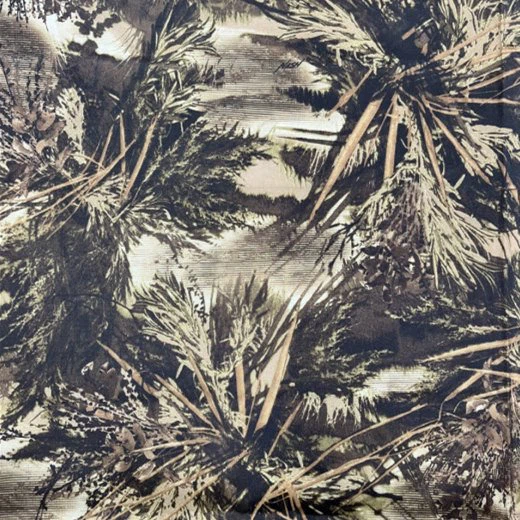
Let's take a look at some of the products made from water - repellent Oxford cloth. Backpacks are a prime example. If you're an outdoor enthusiast, you know how important it is to keep your belongings dry. A backpack made from water - repellent Oxford cloth can protect your laptop, clothes, and other essentials from rain and splashes. You can check out our Oxford Camouflage Fabric and Oxford Camo Fabric options, which are not only water - repellent but also have a cool camouflage design.
Tents are another application. When you're camping in the great outdoors, a tent made from water - repellent Oxford cloth can keep you dry and comfortable even in wet conditions. The water - repellent property of the fabric helps prevent rain from soaking through the tent walls and making your sleeping area damp.
Outdoor clothing is also a popular use for water - repellent Oxford cloth. Jackets and pants made from this fabric can provide protection against light rain and wind. Our Oxford Cloth Waterproof options are great for those who need reliable protection during their outdoor adventures.
Over time, the water - repellency of Oxford cloth can diminish. Factors like abrasion, washing, and exposure to sunlight can break down the water - repellent finish. But don't worry! You can re - apply a water - repellent treatment at home. There are many commercially available sprays and washes that can restore the fabric's water - resistant properties. Just follow the instructions on the product label, and your Oxford cloth items will be back to their water - repelling best in no time.
In conclusion, the water - repellency of Oxford cloth fabric is a combination of its weave structure and the water - repellent treatment it receives. It offers a great balance between durability and protection against water, making it a popular choice for a wide range of outdoor products.
If you're in the market for high - quality water - repellent Oxford cloth fabric, we're here to help. Whether you're a manufacturer looking to source materials for your products or an individual in need of a specific piece of fabric, we have a wide selection to choose from. Feel free to reach out to us to discuss your requirements and start a purchase negotiation. We're confident that our products will meet your needs and exceed your expectations.
References
- Textile Institute. "Textile Terms and Definitions."
- "Outdoor Fabrics: A Guide to Performance and Care." Outdoor Industry Association.