

In the world of textiles, camouflage fabrics have long been a staple for various applications, from military use to outdoor activities and fashion. Among the different types of camouflage fabrics available, Camo Ripstop Fabric stands out with its unique characteristics. As a supplier of Camo Ripstop Fabric, I'm excited to delve into the differences between Camo Ripstop Fabric and regular camo fabric.
Composition and Structure
Regular camo fabric can come in a variety of compositions. It may be made from natural fibers like cotton, which offers breathability and a soft feel. Synthetic fibers such as polyester are also commonly used due to their durability and resistance to wrinkles. Some regular camo fabrics are blends of these materials, aiming to combine the advantages of both.
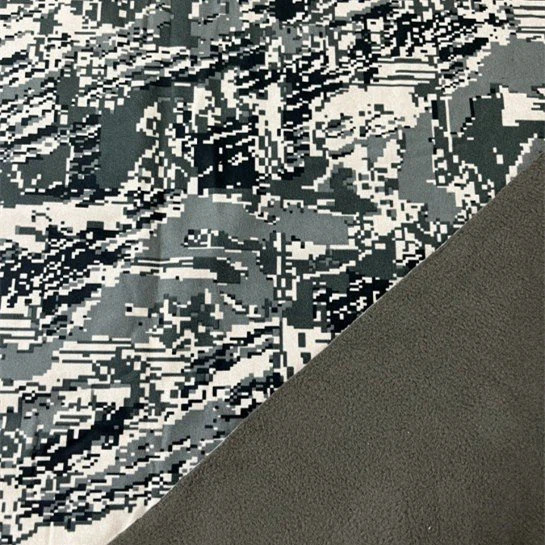

On the other hand, Camo Ripstop Fabric has a distinct structure. It is typically a woven fabric that incorporates a grid of reinforcement threads. These reinforcement threads are woven in a cross - hatch pattern at regular intervals throughout the fabric. The base fabric can be made from materials like nylon or polyester. The addition of the ripstop grid gives the fabric its name and provides it with enhanced tear - resistance.
For instance, if you were to accidentally snag a regular camo cotton fabric on a sharp branch during a hunting trip, it might easily tear. However, a Camo Ripstop Fabric would be much more likely to stop the tear from spreading because of the reinforcement grid. This makes it an ideal choice for applications where durability and resistance to damage are crucial.
Strength and Durability
Durability is a key factor when comparing these two types of fabrics. Regular camo fabric, depending on its composition, has varying levels of strength. Cotton camo fabric, while comfortable, may not be as strong as some other options. It can wear out over time, especially with frequent use and exposure to harsh conditions. Polyester - based regular camo fabrics are more durable than cotton but still lack the enhanced strength of Camo Ripstop Fabric.
Camo Ripstop Fabric is designed to withstand a great deal of stress. The ripstop grid acts as a safety net, preventing small tears from turning into large ones. This makes it suitable for high - stress applications such as military uniforms, outdoor gear like tents and backpacks. For example, military personnel need their uniforms to be able to endure the rigors of combat and field operations. A Camo Ripstop Fabric uniform can better withstand abrasions, snags, and tears compared to a regular camo fabric uniform.
Weight and Breathability
When it comes to weight, regular camo fabric can be lighter in some cases. Cotton camo fabric, for example, is relatively lightweight and breathable, making it a popular choice for summer clothing. However, its breathability can also be a drawback in certain situations. It may absorb moisture easily and take longer to dry, which can be uncomfortable in wet or humid conditions.
Camo Ripstop Fabric, especially those made from nylon, can be lightweight as well. Nylon has the advantage of being quick - drying, which is beneficial for outdoor activities. While the ripstop grid adds a bit of structure, modern manufacturing techniques have allowed for the production of relatively lightweight Camo Ripstop Fabrics. In terms of breathability, some Camo Ripstop Fabrics are engineered to have good ventilation properties, although this can vary depending on the specific material and construction.
Water Resistance
Regular camo fabric may or may not have water - resistant properties. Cotton camo fabric, for example, is not naturally water - resistant and will absorb water quickly. Some regular camo fabrics can be treated with water - repellent coatings, but these treatments may wear off over time with use and washing.
Camo Ripstop Fabric, particularly those made from nylon or treated polyester, can have better water - resistant properties. Nylon has a natural tendency to repel water to some extent, and many Camo Ripstop Fabrics are further treated with water - repellent finishes. This makes them suitable for outdoor activities in wet weather, such as hunting or hiking. A Camo Ripstop Fabric tent, for example, will be more likely to keep you dry during a rainstorm compared to a tent made from regular camo fabric.
Appearance and Pattern
In terms of appearance, both regular camo fabric and Camo Ripstop Fabric come in a wide range of camouflage patterns. The choice of pattern depends on the intended use. For hunting, patterns that mimic the natural environment such as woodland, desert, or grassland are popular.
Regular camo fabric may have a smoother surface, which can give a more traditional and refined look. Camo Ripstop Fabric, with its ripstop grid, may have a slightly more textured appearance. However, this does not detract from its ability to provide effective camouflage. In fact, the texture can sometimes enhance the overall camouflage effect by breaking up the silhouette.
Cost
Cost is an important consideration for many buyers. Regular camo fabric is generally more affordable, especially those made from common materials like cotton. This makes it a popular choice for budget - conscious consumers or for applications where high - end durability is not required, such as some fashion items.
Camo Ripstop Fabric, due to its enhanced features and manufacturing process, is usually more expensive. The cost of producing the ripstop grid and using high - quality materials like nylon or treated polyester adds to the overall price. However, when you consider the long - term benefits in terms of durability and performance, the investment in Camo Ripstop Fabric can be well worth it, especially for professional or heavy - use applications.
Applications
Regular camo fabric has a wide range of applications. It is commonly used in fashion, such as camo - printed t - shirts, jackets, and pants. It is also used for decorative purposes, like upholstery or curtains. In the outdoor realm, it can be used for less - demanding items such as picnic blankets or simple hunting vests.
Camo Ripstop Fabric, on the other hand, is mainly used for high - performance applications. As mentioned earlier, it is a popular choice for military uniforms, as well as outdoor gear like backpacks, tents, and sleeping bags. It is also used in the production of tactical clothing for law enforcement and security personnel.
If you are interested in purchasing high - quality Camo Ripstop Fabric for your specific needs, whether it's for military, outdoor, or fashion applications, we are here to assist you. Our Camo Ripstop Fabric offers the durability, strength, and performance you require. You can explore our range of Camouflage Fabric For Sewing, Camouflage Knit Fabric, and Hunting Camo Fabric on our website. Contact us to discuss your requirements and start a procurement negotiation. We look forward to working with you to find the perfect Camo Ripstop Fabric solution for your project.
References
- Textile Science and Technology textbooks
- Military and Outdoor Gear Industry Reports
- Interviews with Textile Manufacturers and Experts