

Ripstop fabric is a remarkable innovation in the textile industry, celebrated for its exceptional tear - resistance. As a supplier of Camo Ripstop Fabric, I've witnessed firsthand the unique properties of this material and the science behind its performance. In this blog, we'll explore the mechanisms that enable Camo Ripstop Fabric to resist tearing, and why it has become a top choice in various applications.
The Basics of Ripstop Fabric Structure
At its core, Camo Ripstop Fabric's tear - resistance begins with its distinctive construction. The fabric is woven using a special technique where thicker, stronger threads are interwoven at regular intervals throughout a base fabric. These reinforcing threads, often called "ripstop threads," form a grid - like pattern.

The base fabric can be made from different fibers, such as nylon, polyester, or a blend of both. Nylon is a popular choice due to its high strength - to - weight ratio, abrasion resistance, and flexibility. Polyester, on the other hand, offers excellent resistance to stretching, shrinking, and mildew. The combination of these fibers in the base fabric provides a solid foundation for the ripstop structure.
The ripstop threads are typically placed at a greater density than the regular threads of the base fabric. For example, in a common ripstop pattern, the reinforcing threads might be spaced every 5 to 10 millimeters, creating a network that effectively distributes stress across the fabric. When a tear starts to form, the ripstop threads act as barriers, preventing the tear from spreading further.
Stress Distribution and Load Sharing
One of the key principles behind the tear - resistance of Camo Ripstop Fabric is stress distribution. When an external force is applied to the fabric, such as a sharp object trying to pierce or tear it, the force is not concentrated in one area. Instead, the ripstop threads help to spread the load across a larger area of the fabric.
Imagine a scenario where a thorn catches on the fabric. Without the ripstop structure, the force exerted by the thorn would be focused on a single point, causing the fabric to tear easily. However, in a ripstop fabric, the nearby ripstop threads quickly pick up the load and transfer it to other parts of the fabric. This load - sharing mechanism reduces the stress on any individual thread or section of the fabric, making it much more difficult for a tear to propagate.
The grid - like pattern of the ripstop threads plays a crucial role in this process. Each intersection of the ripstop threads acts as a junction where the load can be redirected. As a result, the fabric can withstand significant forces without succumbing to a large - scale tear.
Fiber Properties and Tear Resistance
The choice of fibers in Camo Ripstop Fabric also contributes significantly to its tear - resistance. Nylon fibers, for instance, have a high tenacity, which means they can withstand a large amount of stress before breaking. Nylon's molecular structure is composed of long, linear chains of polymers that are tightly packed together. This structure gives nylon fibers their strength and resilience.
When a tear starts to form in a nylon - based ripstop fabric, the individual nylon molecules within the fibers can stretch and deform to absorb some of the energy. This ability to deform without breaking allows the fabric to tolerate a certain amount of stress before a tear occurs.
Polyester fibers, too, have their own unique properties that enhance tear - resistance. Polyester is known for its high modulus, which means it is relatively stiff and resistant to stretching. In a ripstop fabric, the stiffness of the polyester fibers helps to maintain the shape of the fabric under stress. This reduces the likelihood of the fabric being distorted in a way that could lead to a tear.
Surface Treatment and Coating
In addition to its structural and fiber properties, Camo Ripstop Fabric can be further enhanced with surface treatments and coatings. These treatments can improve the fabric's resistance to abrasion, water, and UV rays, all of which can contribute to tear formation over time.
A common surface treatment is the application of a polyurethane (PU) coating. A PU coating adds a thin, protective layer to the fabric, increasing its durability and water - repellency. The coating also helps to seal the fibers, preventing them from fraying and reducing the risk of small tears developing into larger ones.
Another treatment option is a silicone coating. Silicone coatings provide excellent water - resistance and can also reduce friction between the fabric and other surfaces. This is particularly useful in applications where the fabric is likely to rub against rough objects, as it minimizes the wear and tear that could lead to tearing.
Applications of Camo Ripstop Fabric
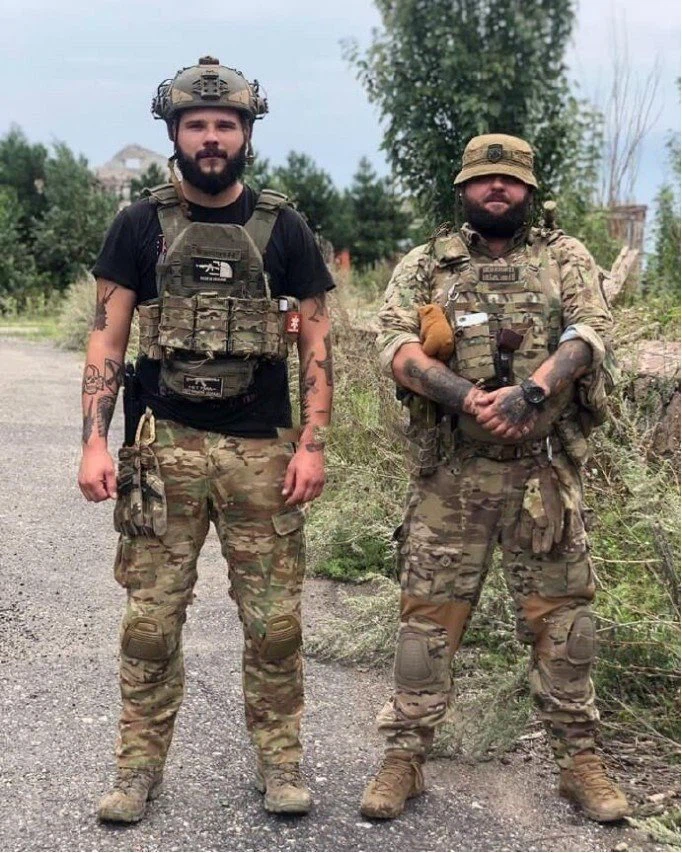
The tear - resistance of Camo Ripstop Fabric makes it suitable for a wide range of applications. One of the most common uses is in military gear. Military Ripstop Fabric is used to make uniforms, backpacks, tents, and other equipment that needs to withstand harsh conditions. Soldiers often encounter rough terrain, sharp objects, and extreme weather, and the tear - resistant properties of ripstop fabric ensure that their gear remains intact and functional.
Outdoor enthusiasts also benefit from Camo Ripstop Fabric. Hiking and camping gear, such as sleeping bags, jackets, and backpacks, are often made from this fabric. The ability to resist tears means that these items can last longer, even when exposed to the elements and rough handling.
In the fashion industry, Twill Camouflage Fabric is used to create stylish and durable clothing. The camo pattern adds a trendy look, while the ripstop construction ensures that the garments can withstand daily wear and tear.
Why Choose Our Camo Ripstop Fabric
As a supplier of Camo Ripstop Fabric, we take pride in offering high - quality products that meet the strictest standards. Our fabric is carefully engineered using the latest manufacturing techniques to ensure optimal tear - resistance. We use only the finest fibers and apply advanced surface treatments to enhance its performance.
We understand that different customers have different needs, and we offer a variety of options in terms of color, weight, and pattern. Whether you're a military contractor looking for a heavy - duty fabric or a fashion designer in need of a lightweight and stylish option, we have the right Camo Ripstop Fabric for you.
If you're interested in learning more about our Camo Ripstop Fabric or would like to discuss your specific requirements, we invite you to reach out to us. We're always happy to provide samples, answer your questions, and work with you to find the perfect fabric solution for your project. Contact us today to start the conversation and explore the possibilities of our exceptional Camo Ripstop Fabric.
References
- Behera, B. K., & Mishra, S. (2017). Textile Science: Fundamentals, Fibres, Yarns, and Fabrics. CRC Press.
- Holme, I. (2004). Handbook of Textile Fibre Structure. Woodhead Publishing.
- Postle, R. (1995). Handbook of Fibre Science and Technology: Volume 2: Man - Made Fibres. Elsevier.